
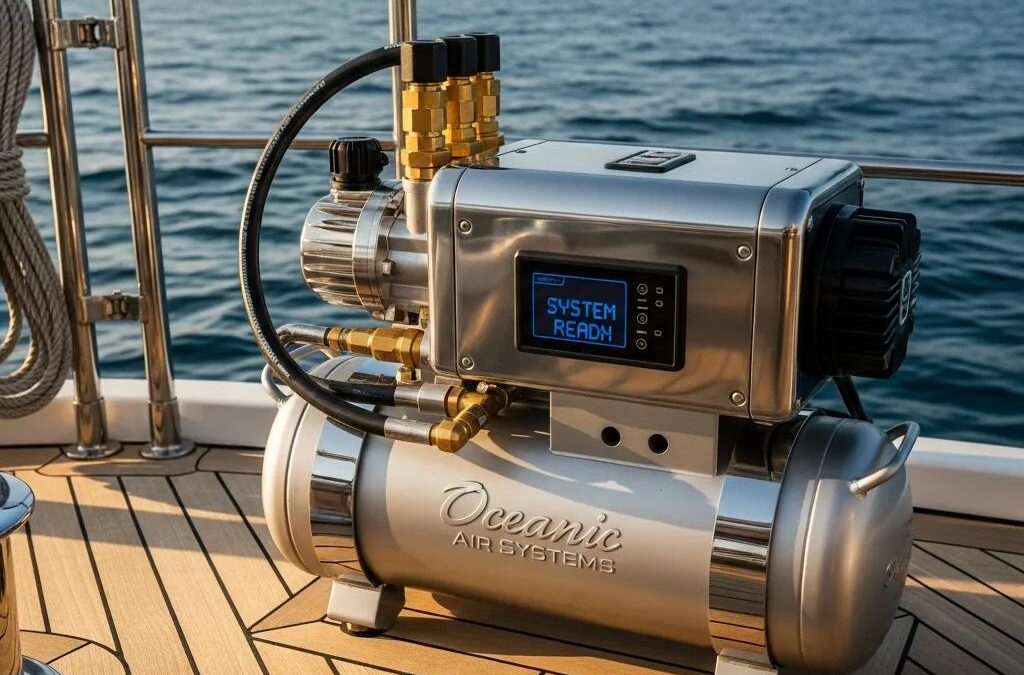
High-Pressure Compressor Solutions vs Traditional Systems for Yachts: Comprehensive Comparison and Benefits
In the world of yacht operations, the choice between high-pressure compressor solutions and traditional systems can significantly impact performance and reliability. This article delves into the nuances of these two systems, highlighting their operational mechanisms, benefits, and limitations. Readers will gain insights into how high-pressure compressors can enhance yacht performance, particularly in demanding marine environments. As yacht owners face challenges such as maintenance costs and operational efficiency, understanding these systems becomes crucial. We will explore traditional yacht compressor systems, the advantages of high-pressure solutions, and the key benefits of high-pressure breathing air systems. Additionally, we will discuss energy efficiency differences and custom solutions offered by LW Americas.
What Are Traditional Yacht Compressor Systems and Their Limitations?
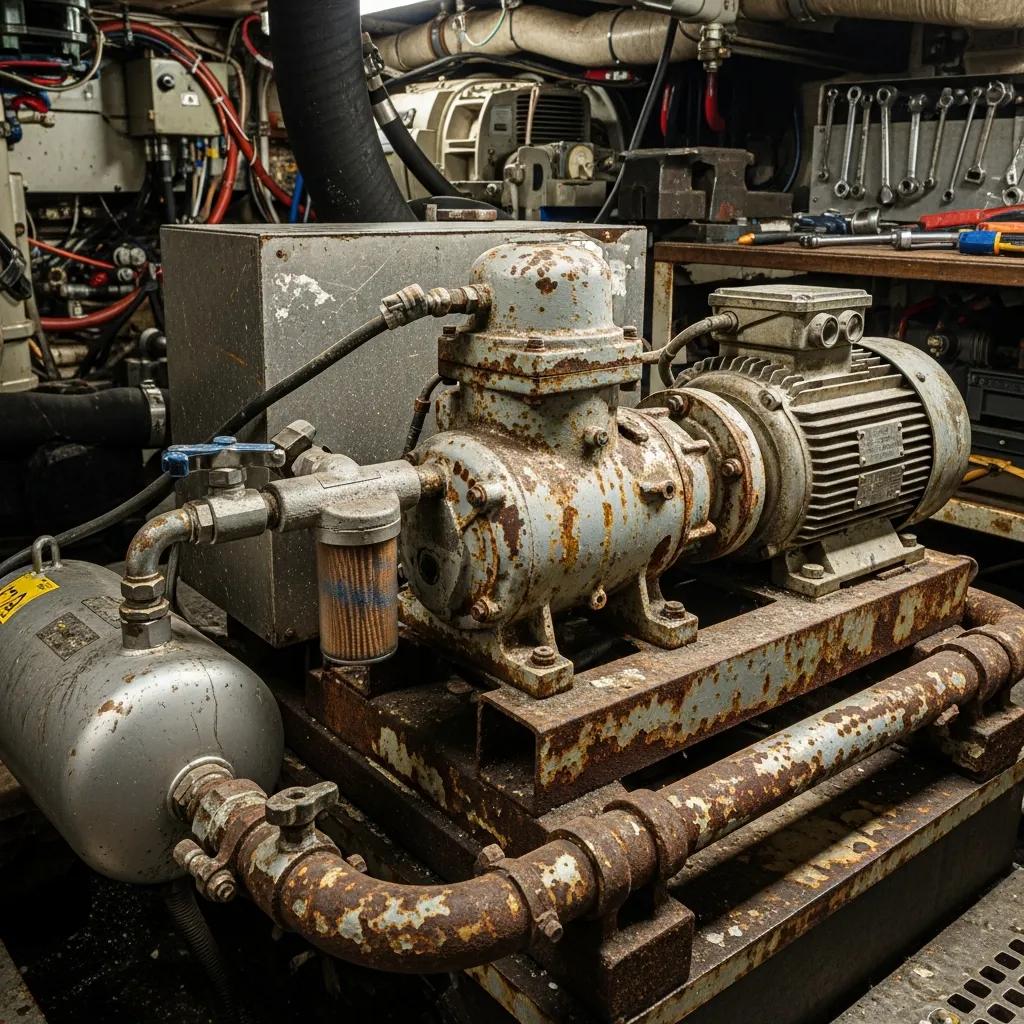
While many modern yachts already utilize well-engineered compressor systems, the term ‘traditional yacht compressor systems’ often refers to those that, despite their operational mechanisms (typically reciprocating or rotary screw), may lack marine-optimized corrosion protection, redundancy, or the duty-cycle capability required for demanding marine environments. These systems compress air for various applications on board but can face limitations that hinder their effectiveness.
How Do Conventional Marine Air Compressors Operate on Yachts?
Conventional marine air compressors function by drawing in ambient air, compressing it, and then delivering it to storage tanks or directly to pneumatic systems. The basic operation involves a motor-driven pump that compresses air, which is then cooled and filtered before use. This process is essential for various applications, including powering tools and providing breathing air for crew members.
What Common Challenges Do Traditional Systems Face in Marine Environments?
- Corrosion Issues: The salty marine environment can lead to accelerated corrosion of compressor components, reducing their lifespan and reliability.
- Maintenance Challenges: Frequent maintenance is required to ensure optimal performance, which can be costly and time-consuming for yacht owners.
- Limited Efficiency: Traditional compressors often operate at lower efficiencies compared to modern systems, leading to higher energy consumption and operational costs.
These limitations highlight the need for more advanced solutions that can withstand the rigors of marine environments while providing reliable performance.
How Do High-Pressure Yacht Compressors Improve Performance and Reliability?
High-pressure yacht compressors represent a significant advancement over traditional systems, offering enhanced performance and reliability. These compressors are designed to operate continuously, providing a steady supply of compressed air for various applications.
What Advantages Does Continuous-Duty Operation Offer Yacht Owners?
Continuous-duty operation, when properly specified, cooled, and maintained for the operating conditions, offers yacht owners several advantages, including increased reliability, reduced mechanical stress, lower operating temperatures, and diminished vibration. These benefits contribute to fewer unscheduled outages and predictable maintenance windows, which can enhance operational readiness. Additionally, such systems can lead to lower lifecycle costs due to reduced component wear, ensuring consistent performance and availability of critical systems on the yacht.
How Does Robust Construction Enhance Durability in Harsh Marine Conditions?
High-pressure compressors are built with robust materials and designs that enhance their durability in harsh marine conditions. Features such as corrosion-resistant coatings, stainless steel components, and reinforced parts ensure that these systems can withstand the challenges posed by saltwater and humidity. This durability translates to longer service life and reduced maintenance needs, making high-pressure compressors a more cost-effective solution for yacht owners.
What Are the Key Benefits of High-Pressure Breathing Air Systems for Yachts?
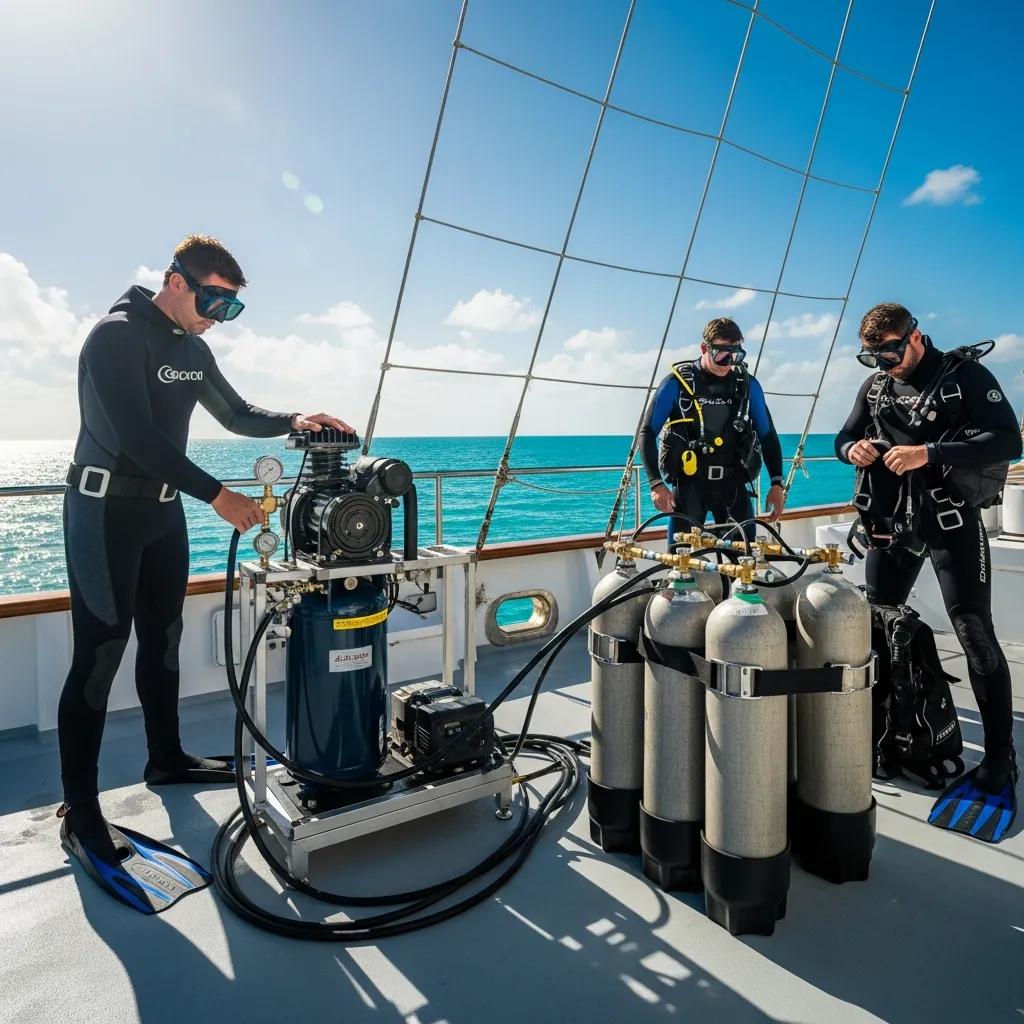
- Reliable On-Site Access: These systems provide immediate access to high-quality breathing air, reducing response delays and operational risks associated with off-site fills.
- Safety and Compliance: They are designed to align with recognized standards, such as CGA Grade E for diving applications and NFPA 1989 for firefighting SCBA, ensuring that the air quality meets specific health and safety criteria for their intended use. It’s important to note that not all yacht air systems are subject to these life-safety standards.
- Rapid Cylinder Turnaround: On-site systems enable quick refills of SCBA cylinders after use, improving crew readiness and reducing response gaps.
- Integrated Air Quality Monitoring: Continuous monitoring helps detect potential contamination, ensuring the air supplied is safe and triggering alerts or shutdowns if quality thresholds are exceeded.
- Operational Efficiency: The systems can fill multiple cylinders in sequence, minimizing queuing during peak demand and enhancing overall operational performance.
These benefits contribute to improved safety, readiness, and efficiency for yacht operations.
How Do Purification Systems Ensure Safe Breathing Air Onboard?
Purification systems ensure safe breathing air onboard by incorporating controlled pressure, certified filtration, and adherence to recognized air quality standards specific to the application. For instance, systems for diving air adhere to standards like CGA Grade E, while those for firefighting SCBA meet standards such as NFPA 1989. These systems are designed to limit total hydrocarbons, carbon monoxide, moisture, and particulate matter, ensuring that the air delivered meets the necessary safety and quality requirements for applications such as diving and firefighting.
What Role Does the NitroxMaker™ Play in Advanced Diving Gas Solutions?
The NitroxMaker™ plays a crucial role in advanced diving gas solutions by providing a reliable method for producing enriched air nitrox. This system utilizes membrane separation technology to remove nitrogen from ambient air, thereby increasing the oxygen concentration to create nitrox on-site. This enables divers to optimize their breathing gas for specific depths and conditions. By integrating the NitroxMaker™ into high-pressure breathing air systems, yacht operators can enhance safety and efficiency during diving operations.
How Does Energy Efficiency Differ Between High-Pressure and Traditional Yacht Compressors?
Energy efficiency is a critical factor when comparing high-pressure and traditional yacht compressors. High-pressure systems are designed to operate more efficiently, leading to significant cost savings over time.
What Are the Fuel and Operational Cost Savings with Modern High-Pressure Systems?
Modern high-pressure systems can consume less energy than traditional compressors when designed, integrated, and operated optimally for the specific load profile. This potential for efficiency stems from advanced design, continuous-duty operation, and optimized compression stages. When realized, this efficiency translates into lower fuel and operational costs, making them a more economical choice for yacht owners. Additionally, reduced energy consumption contributes to a smaller environmental footprint, aligning with the growing emphasis on sustainability in marine operations.
How Do Environmental Regulations Influence Compressor Technology Choices?
Environmental regulations play a significant role in shaping compressor technology choices for yacht operators. As regulations become more stringent regarding emissions, noise, and energy consumption, yacht owners are increasingly turning to high-pressure systems that comply with these standards. This shift not only ensures compliance but also promotes the adoption of more sustainable practices within the industry.
What Custom Solutions Does LW Americas Offer for Yacht Compressor Installations?
LW Americas specializes in providing custom solutions for yacht compressor installations, ensuring that each system is tailored to meet the specific needs of the vessel and its operations. Their expertise in marine compressor technology allows them to deliver high-quality installations that enhance performance and reliability.
How Does YachtPro™ Series Cater to Diverse Vessel Requirements?
The YachtPro™ series is designed to cater to diverse vessel requirements by offering a range of customizable options. This series includes various compressor models that can be adapted to different yacht sizes and operational needs, ensuring optimal performance across the board. By providing tailored solutions, LW Americas helps yacht owners achieve the best possible outcomes for their compressor systems.
What Are Best Practices for Installation and Maintenance of High-Pressure Compressors?
- Proper Sizing: Ensure the compressor is appropriately sized for the yacht’s specific air demand to optimize performance.
- Regular Maintenance: Implement a routine maintenance schedule to check for wear and tear, ensuring the system operates efficiently.
- Quality Components: Use high-quality components and materials to enhance durability and reduce the likelihood of failures.
Following these best practices can significantly extend the lifespan of high-pressure compressors and improve overall operational efficiency.
How Can Yacht Owners Choose the Best Compressor Technology for Their Needs?
Choosing the right compressor technology is crucial for yacht owners looking to optimize performance and reliability. Several factors should be considered when making this decision.
What Factors Should Be Considered in Yacht Compressor Technology Comparison?
- Pressure and Quality Standards: Ensure the compressor meets the required pressure and air quality standards for specific applications.
- Flow Rate Needs: Assess the flow rate requirements based on the yacht’s operational demands to select an appropriately sized system.
- Energy Efficiency: Evaluate the energy consumption of different systems to identify the most cost-effective option over time.
By carefully considering these factors, yacht owners can make informed decisions that align with their operational needs and budget.
How Do High-Pressure Systems Enhance Diving Independence and Safety?
High-pressure systems enhance diving independence and safety by providing divers with immediate access to high-quality breathing air. This capability allows for greater flexibility in dive planning and execution, reducing reliance on external air supply sources. Additionally, the integration of advanced purification systems ensures that the air quality meets safety standards, further enhancing the safety of diving operations.
This comparison illustrates the advantages of high-pressure systems over traditional compressors, emphasizing their suitability for modern yacht operations.
For further inquiries or to discuss specific yacht compressor needs, you can easily contact LW Americas.