How to Extend the Life of Your Compressor System: Essential Maintenance and Longevity Tips
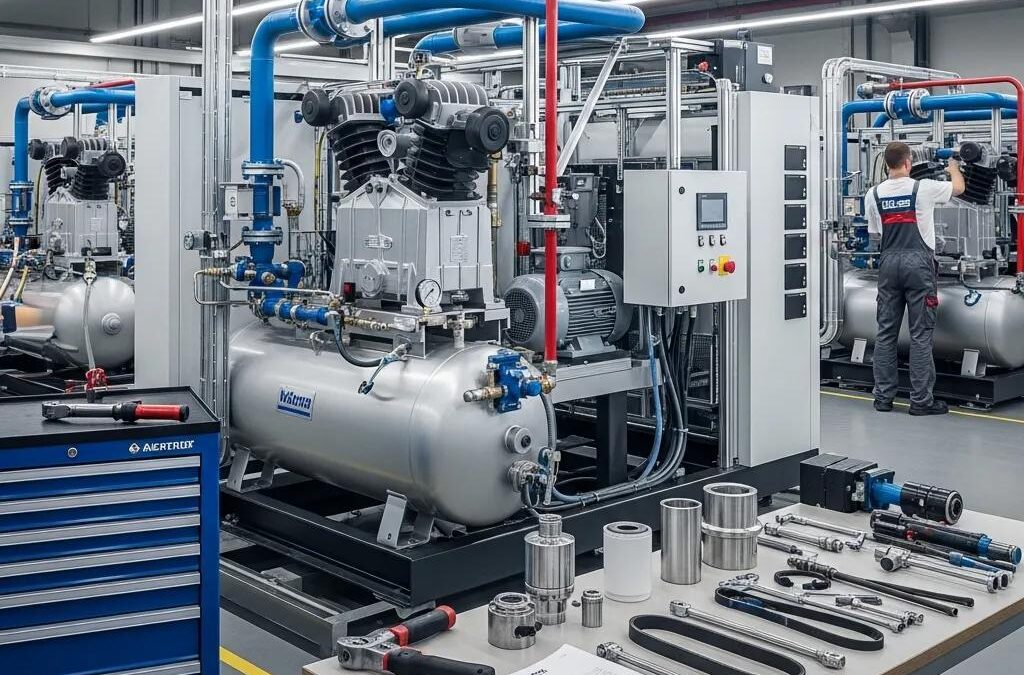
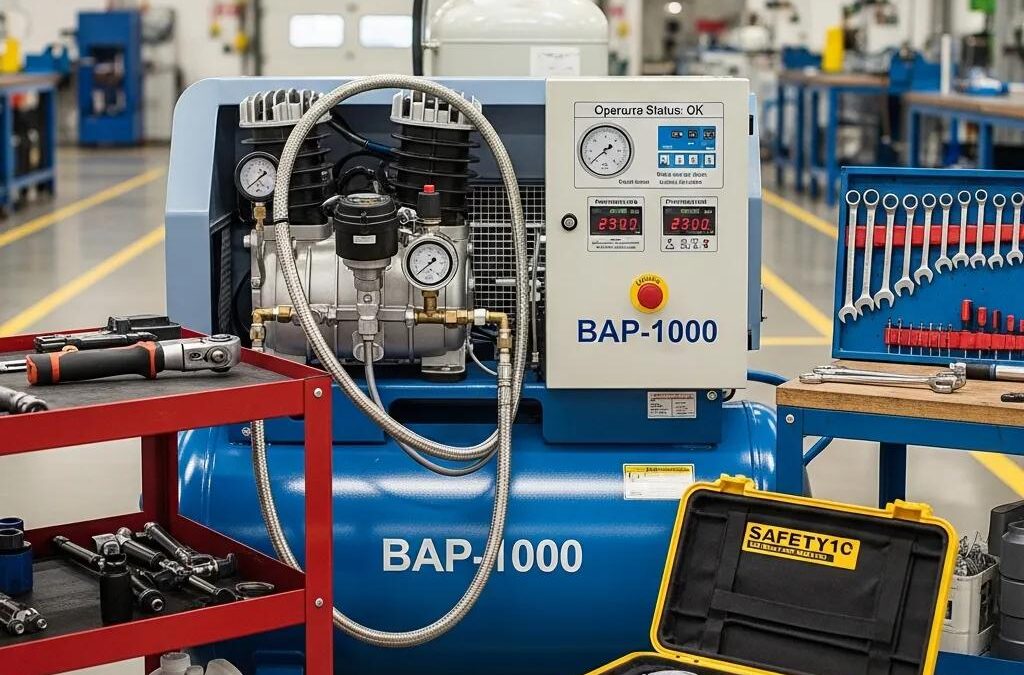
To extend the life of your compressor system, implement essential maintenance practices such as daily checks, weekly inspections, monthly tasks, and annual inspections, as recommended by the manufacturer and appropriate for your specific duty cycle and operating environment. These practices not only enhance reliability but also reduce downtime and ensure safety. Many operators struggle with maintaining optimal performance and longevity of their compressor systems, leading to costly repairs and replacements. By following a structured maintenance schedule that aligns with manufacturer recommendations, you can significantly improve the lifespan of your compressor. This article will explore the importance of preventive maintenance, provide a comprehensive checklist for longevity, and discuss strategies for managing high-pressure compressor components effectively.
What Is the Importance of Preventive Maintenance for High-Pressure Compressors?
The importance of preventive maintenance for high-pressure compressors includes enhancing reliability, reducing downtime, and ensuring safety. Regular maintenance helps identify potential issues before they lead to failures, such as monitoring telemetry trends to detect declining performance or abnormal vibrations. This proactive approach allows for timely adjustments to duty cycles or scheduling of services, ultimately supporting long-term asset planning and operational efficiency.
How Does Regular Maintenance Extend Industrial Compressor Life?
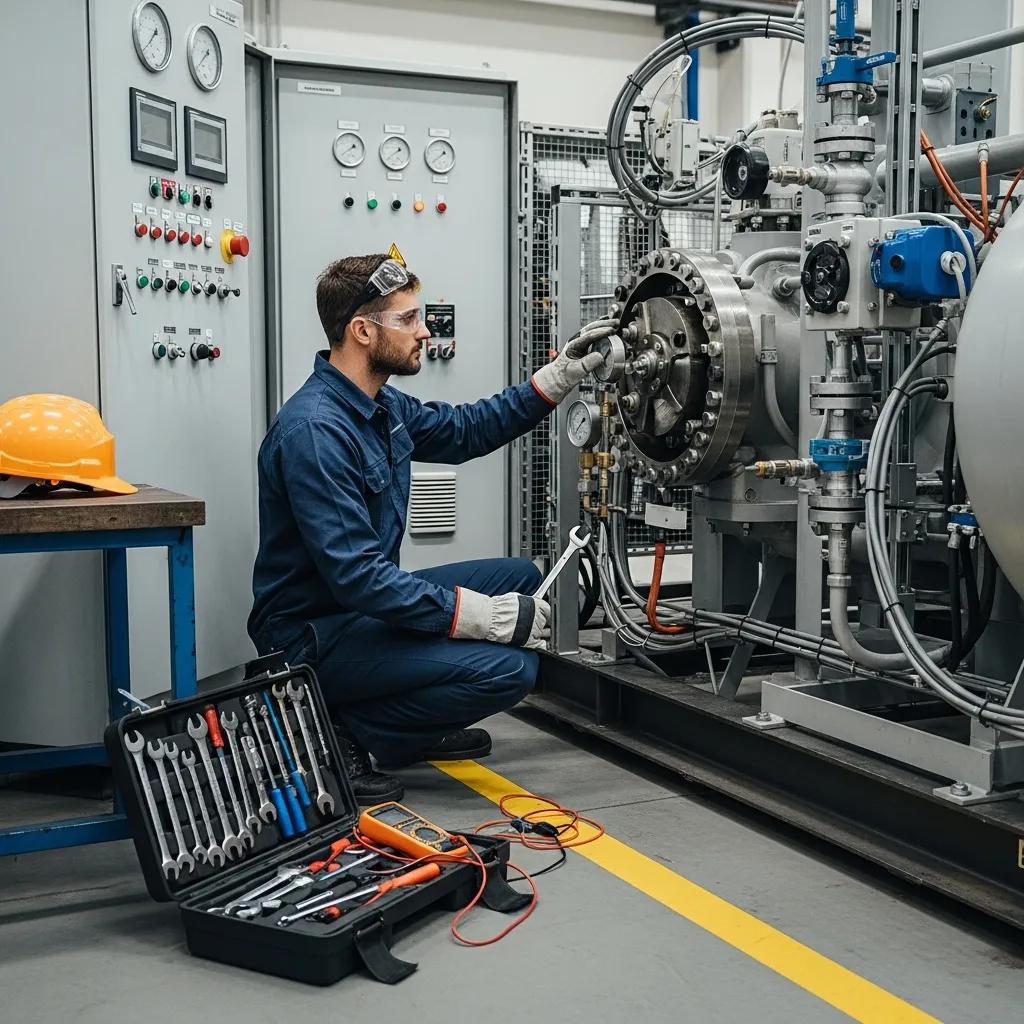
Regular maintenance extends the life of industrial compressors by ensuring that components such as filters and seals are replaced before they fail, which helps prevent more significant issues. Routine checks, including daily visual inspections, weekly monitoring of differential pressure, and monthly or quarterly tasks like filter replacements and sensor calibrations (following manufacturer guidelines and considering duty cycle and environmental factors), contribute to system reliability. These practices not only reduce downtime but also support compliance with operational standards and facilitate rapid diagnosis of faults. Additionally, maintaining detailed records of maintenance activities aids in trend analysis and supports predictive maintenance, further enhancing the longevity and efficiency of the compressors.
What Are the Key Benefits of Preventive Compressor Maintenance?
The key benefits of preventive compressor maintenance include:
Reduced Operating Costs: Structured maintenance programs minimize stress on the compressor, leading to lower operational expenses.
Extended Compressor Life: Regular, manufacturer-recommended maintenance helps catch wear patterns early, optimizing control and prolonging the lifespan of the compressor.
Prevention of Performance Degradation: Routine tasks like filter changes and inspections prevent performance issues and catastrophic failures that can cause long downtimes.
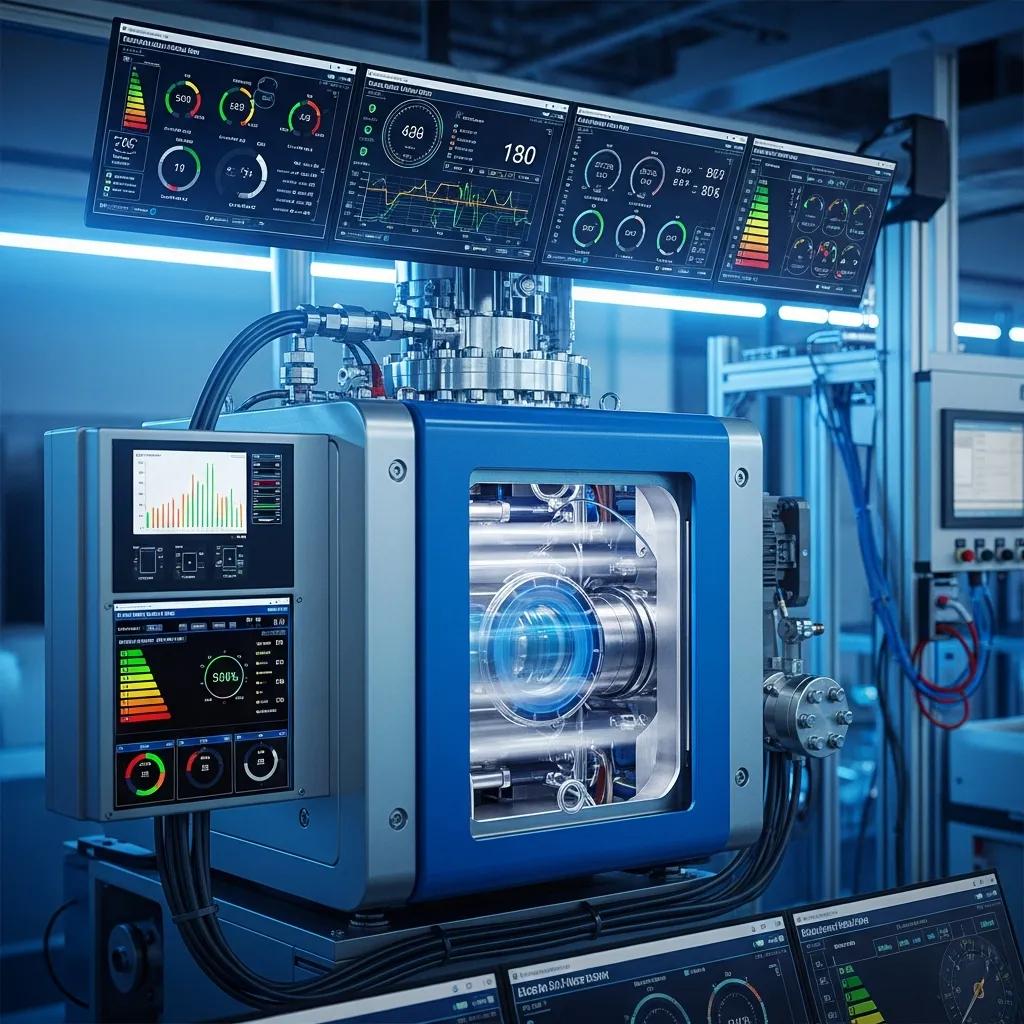
Predictive Maintenance Insights: Technologies such as IoT-enabled condition monitoring provide alerts that lower unplanned downtime and improve spare-part planning.
Enhanced Efficiency: Maintenance practices can lead to improved energy efficiency and operational readiness, balancing ROI with performance.
Research highlights how predictive maintenance, powered by machine learning and IoT, is increasingly vital for extending equipment lifespan and optimizing operations.
This paper presents a comprehensive approach to predictive maintenance and real-time monitoring of industrial air compressors using machine learning techniques integrated with Internet of Things (IoT) infrastructure.
P Dwivedi, 2025
What Is the Comprehensive Compressor Maintenance Checklist for Longevity?
A comprehensive maintenance checklist is essential for ensuring the longevity of your compressor system. This checklist should include daily, weekly, monthly, quarterly, and annual tasks that align with manufacturer recommendations, tailored to your specific compressor model, duty cycle, and operating environment.
Which Daily and Weekly Tasks Are Critical for Compressor Care?
Daily Checks: Conduct visual inspections, check oil levels, and drain moisture traps, as per manufacturer guidelines.
Weekly Checks: Monitor differential pressure across filters and verify alarms and gauges, as per manufacturer guidelines.
These tasks help maintain optimal performance and prevent minor issues from escalating into major problems.
What Monthly and Annual Maintenance Steps Ensure System Reliability?
Monthly maintenance steps for ensuring system reliability include visual and operational checks, while quarterly steps involve filter and oil-level verification. Annual maintenance should consist of vibration and thermal analysis to identify early signs of wear, all performed according to manufacturer specifications and operational demands. Additionally, predictive maintenance focuses on monitoring temperature, vibration spectra, and oil condition to schedule interventions before failures occur.
How Should You Manage High-Pressure Compressor Components for Optimal Performance?
To manage high-pressure compressor components for optimal performance, consider the following steps:
Monitor Performance: Use telemetry to analyze trends such as flow rate, motor current, and vibration. This helps in detecting issues before they lead to failure.
Define Requirements: Clearly specify the expected simultaneous fills, turnaround times, ambient conditions, and air quality standards to ensure the compressor is appropriately sized.
Select Appropriate Components: Choose a compressor type based on your duty cycle needs (continuous vs. intermittent), required pressure, and flow rate. Continuous-duty designs can be beneficial for critical applications, provided they are correctly sized and operated within specified environmental conditions.
Plan for Environmental Factors: Account for altitude and ambient temperature, as these can affect the compressor’s performance. Adjust specifications accordingly to maintain effective flow and pressure.
Implement Redundancy: For critical systems, consider standby compressors or automatic switchover to ensure continuous operation and safety.
Regular Maintenance: Schedule routine checks and maintenance according to manufacturer recommendations and operational demands to ensure all components are functioning correctly and to prolong the lifespan of the compressor.
Consult Experts: For tailored solutions, engage with specialists who can provide custom engineering and installation support.
By following these guidelines, you can enhance the reliability and efficiency of high-pressure compressor systems.
What Are Best Practices for Compressor Oil Management and Replacement?
Best practices for compressor oil management and replacement include:
Routine Checks: Conduct daily visual inspections, monitor oil levels, and drain moisture traps, as specified by the manufacturer.
Scheduled Maintenance: Follow a maintenance schedule that includes weekly checks of differential pressure across filters and monthly or quarterly replacement of filters as per manufacturer guidance, adjusting for duty cycle and environmental conditions.
Oil Analysis: Perform annual major inspections that include oil analysis to assess oil condition and determine replacement needs, or more frequently if operating conditions demand.
Documentation: Maintain records of all maintenance activities, including tasks performed, dates, technician details, compressor hours, and any corrective actions taken.
Manufacturer Guidance: Always align maintenance frequencies and practices with manufacturer recommendations and local regulations.
These practices help ensure system reliability and compliance with safety standards.
How to Replace and Maintain Air and Breathing Air Filters Effectively?
To effectively replace and maintain filters for both industrial process air and specialized breathing air systems, follow these best practices:
Routine Maintenance: Implement a schedule for regular maintenance, including monthly visual and operational checks, quarterly filter changes, and annual inspections for vibration and thermal analysis, all in accordance with manufacturer specifications and operational requirements.
Predictive Maintenance: Utilize monitoring technologies to track temperature, vibration, and oil condition (if applicable) to anticipate and address issues before they lead to failures.
Purification Systems: Ensure that purification systems are in place to remove contaminants such as oil, moisture, and particulates. For industrial process air, this maintains air quality and protects downstream equipment. For breathing air systems, these purification systems are critical for life-safety and must meet stringent air quality standards.
Breathing Air Monitoring: Use breathing air monitors to continuously verify air quality, ensuring safety by triggering alarms and interlocks when contaminants exceed safe levels.
Documentation: Keep detailed records of running hours and maintenance activities to track performance and schedule timely interventions.
Critical Spares: Maintain a list of critical spare parts, such as valves and seals, to minimize downtime during repairs.
These practices help ensure the efficiency and safety of air and breathing air systems.
How Can You Troubleshoot Common Issues in High-Pressure Compressor Systems?
To troubleshoot common issues in high-pressure compressor systems, consider the following steps:
Check Power Supply: Ensure that the compressor is connected to the correct voltage and phase as specified (typically 200-240 V, 50/60 Hz, or as per equipment rating).
Monitor Pressure Levels: Use pressure gauges to check for proper inlet and outlet pressures. Look for any pressure shut-off triggers that may indicate issues.
Inspect for Leaks: Check hoses and connections for leaks, which can affect performance.
Evaluate the Variable Frequency Drive (VFD): Ensure the VFD is functioning correctly, as it helps manage the inrush current when starting the motor.
Examine Filters and Cooling Systems: Regularly check and replace filters as needed, and ensure that cooling systems (if applicable) are functioning properly.
Review Maintenance Logs: Look for any patterns in performance issues that may indicate a need for scheduled maintenance or adjustments.
Utilize Monitoring Systems: If available, use telemetry systems to analyze trends in performance, such as declining flow or increasing motor current, which can indicate potential failures.
Consult Technical Support: If issues persist, reach out to the equipment provider for a technical consultation to address specific operational profiles and requirements.
These steps can help identify and resolve common issues effectively.
What Are the Signs of Compressor Overheating and How to Resolve Them?
Signs of compressor overheating include unusual noises, increased vibration, and elevated temperature readings. To resolve overheating, ensure proper ventilation, check coolant levels (if applicable), and inspect for blockages in cooling systems. Regular maintenance and monitoring, aligned with manufacturer guidelines, can prevent overheating issues from escalating.
How to Detect and Fix Air Leaks and Unusual Noises in Compressors?
To detect air leaks, listen for hissing sounds and inspect hoses and connections for wear. Unusual noises may indicate mechanical issues or misalignment. Regular inspections and maintenance, as per manufacturer recommendations, can help identify and rectify these problems before they lead to significant downtime.
What Strategies Optimize High-Pressure Compressor Performance and Energy Efficiency?
To optimize high-pressure compressor performance and energy efficiency, consider the following strategies:
Proper Sizing and Specification: Define demand (pressure, flow, quality), calculate required Free Air Delivery (FAD) at working pressure, and select a duty cycle that supports peak and continuous loads. Ensure the compressor is sized appropriately for site conditions to avoid underspecification.
Environmental Considerations: Account for altitude and ambient temperature, as these factors can reduce effective FAD. Use variable-speed drives for soft-loaded cycles to enhance efficiency, where appropriate for the application and operating profile.
Duty Cycle and Flow Rate Management: Understand the interaction between duty cycle, flow rate, and pressure. Prioritize duty cycle and pressure for safety-critical applications, while prioritizing flow for industrial production.
Monitoring and Maintenance: Implement integrated monitoring systems to track performance metrics like FAD and motor current. This allows for proactive adjustments and maintenance, improving uptime and efficiency.
Mechanical Design Improvements: Choose compressors with durable designs, such as one-piece cast blocks, to reduce leak potential and enhance reliability, contributing to potential energy efficiency gains under optimal operating conditions.
Filtration and Cooling: Ensure adequate inlet filtration and cooler capacity to maintain FAD and efficiency. Consider additional filtration or pre-cooling systems as needed, as these factors significantly impact overall system performance and energy consumption.
By following these strategies, you can enhance the performance and energy efficiency of high-pressure compressors, provided they are correctly implemented, sized, and maintained for your specific operational environment.
How Does Proper Ventilation and Condensate Management Improve Compressor Life?
Proper ventilation and condensate management are crucial for maintaining optimal operating conditions. Adequate ventilation prevents overheating, while effective condensate management reduces moisture-related issues that can lead to corrosion and mechanical failures. Implementing these practices can significantly extend the lifespan of your compressor system, contributing to optimal performance and reliability.
What Are Effective Pressure Optimization Techniques for Compressor Systems?
Effective pressure optimization techniques for compressor systems include:
Oversizing for Altitude: Adjusting compressor size to account for reduced air density at higher altitudes, as per manufacturer guidelines and site-specific engineering.
Variable-Speed Drives: Implementing variable-speed drives for soft-loaded cycles to optimize performance and efficiency, when suitable for the application’s demand profile.
Enhanced Filtration and Pre-Cooling: Planning for additional filtration or pre-cooling to maintain effective flow and pressure.
Duty Cycle and Flow Interaction Analysis: Understanding the interaction between duty cycle, flow rate, and pressure to make informed decisions on compressor selection.
Telemetry Monitoring: Utilizing telemetry to monitor performance trends, allowing for proactive adjustments to duty cycles and scheduling of maintenance.
Custom Engineering: Engaging in custom engineering to ensure the compressor system meets specific operational needs and integrates well with existing systems.
These techniques help maintain optimal performance and efficiency in compressor systems.
When Should You Consider Upgrades or Professional Service for Your Compressor System?
You should consider upgrades or professional service for your compressor system when:
You have specific design requirements or operational needs that standard configurations do not meet.
You require tailored solutions that combine appropriate pressure, flow, and duty cycle with monitoring and project-managed installation.
You are dealing with safety-critical systems that necessitate a detailed engineering review.
You need to ensure compliance with air quality standards and operational demands that exceed typical product boundaries.
You want to enhance system performance through custom engineering, installation drawings, and continuous-duty designs.
If you have a particular need or design requirement, contacting a specialist provider can help accelerate specification validation and deployment.
What Are the Benefits of Smart Monitoring and Predictive Maintenance?
The benefits of smart monitoring and predictive maintenance include:
Reduced Operating Costs: By minimizing stress and optimizing control, these practices help lower overall expenses.
Extended Equipment Life: Regular monitoring catches wear patterns early, preventing catastrophic failures and prolonging the lifespan of compressors.
Lower Unplanned Downtime: IoT condition monitoring provides alerts that help avoid unexpected breakdowns.
Improved Maintenance Planning: Predictive maintenance allows for scheduling interventions before failures occur, enhancing operational efficiency.
Enhanced Performance: Continuous monitoring of key performance indicators (KPIs) enables operators to optimize performance and make informed decisions regarding maintenance and specifications.
Studies confirm that machine learning-driven predictive maintenance offers substantial financial benefits through reduced downtime and optimized maintenance schedules.
ML for Compressor Maintenance: Cost Savings & Optimized Schedules
This research explores the application of machine learning (ML) techniques in predictive maintenance for industrial 5-stage compressors, focusing on cost-effectiveness, model performance, and practical implementation.
NC Igbokwe, 2024
How to Recognize End-of-Life Signs and Schedule Expert Compressor Maintenance?
To recognize end-of-life signs for compressors, operators should monitor key performance indicators (KPIs) such as flow rate (FAD), motor load, vibration, coolant temperature, and oil condition. Analyzing telemetry trends can help detect issues like declining flow rates or abnormal vibrations before failures occur.
For scheduling expert compressor maintenance, it is recommended to implement a robust maintenance framework that includes monthly visual checks, quarterly filter and oil-level verifications, and annual vibration and thermal analyses, all aligned with manufacturer recommendations and specific operational conditions. Predictive maintenance, which focuses on monitoring temperature and vibration, can help schedule interventions before failures happen. Additionally, maintaining a critical-spares list can shorten repair times.
Preventive Maintenance Tips for Breathing Air Compressors: Comprehensive Service Schedules and Safety Guidelines
Breathing air compressors are essential for various applications, including diving, firefighting, and industrial uses where life-support air is required. Proper maintenance is crucial to ensure their efficiency and safety. This article provides comprehensive preventive maintenance tips, focusing on essential service schedules and safety guidelines for breathing air compressors. Readers will learn about routine maintenance tasks, air quality management, lubrication practices, troubleshooting techniques, and industry-specific maintenance needs. By following these guidelines, operators can enhance the reliability and longevity of their compressors, ensuring safe operation in critical environments.
What Are the Essential Routine Maintenance Schedules for Breathing Air Compressors?
Routine maintenance schedules are vital for the optimal performance of breathing air compressors. Regular checks and services help prevent breakdowns and ensure compliance with safety standards. Operators should adhere to daily, weekly, monthly, quarterly, and annual maintenance tasks to maintain the integrity of the system.
How Often Should You Perform Daily and Weekly Compressor Checks?
Daily and weekly checks are crucial for identifying potential issues before they escalate. Operators should perform the following checks:
Daily Visual Inspections: Inspect the compressor for any visible leaks, unusual noises, or signs of wear.
Weekly Operational Checks: Test the compressor’s functionality, including pressure readings and operational efficiency.
These routine checks help ensure that the compressor operates safely and efficiently, reducing the risk of unexpected failures.
What Are the Monthly, Quarterly, and Annual Service Tasks for High-Pressure Compressors?
Monthly, quarterly, and annual service tasks are essential for maintaining high-pressure compressors. These tasks include:
Monthly Filter Checks or Changes: Replace or inspect air filters to ensure optimal airflow and prevent contamination, *as recommended by the manufacturer and based on operational hours or environmental conditions*.
Quarterly Oil Checks: Inspect and change compressor oil as needed to maintain lubrication and prevent wear, *following manufacturer guidelines and considering duty cycle*.
Annual Comprehensive Service: Conduct a thorough inspection and service of the entire system, including pressure tests, filter replacements, and component assessments, *as part of a manufacturer-recommended annual service plan*.
Adhering to these schedules not only enhances performance but also extends the lifespan of the compressor.
How Do You Manage Filtration and Air Quality in Breathing Air Compressor Systems?
To manage filtration and air quality in breathing air compressor systems, it is essential to implement controlled pressure, certified filtration, and adherence to recognized air quality standards. These standards specify limits for total hydrocarbons, carbon monoxide (CO), moisture, and particulates. Additionally, using purification modules and ensuring proper maintenance, such as routine filter changes and inspections, helps maintain air quality and system performance.
When and How Should Breathing Air Compressor Filters Be Replaced?
Breathing air compressor filters should be replaced according to the manufacturer’s guidance and the specific operational schedule, which typically includes intervals based on hours of operation, contamination levels, or environmental factors, *rather than fixed monthly or quarterly rules*. Regular checks should also be performed, such as monitoring differential pressure across filters weekly. Implementing these practices ensures system reliability and compliance with safety standards.
How Do You Ensure Compliance with NFPA, CGA, and BS EN 12021 Air Quality Standards?
Ensuring compliance with air quality standards is critical for safe operation. Operators should:
Understand Relevant Standards: Familiarize themselves with applicable standards such as **CGA Grade E** and **BS EN 12021** for general breathing air quality, and **NFPA 1989** for firefighting SCBA air quality, recognizing that specific standards apply to different applications.
Implement Regular Testing: Conduct routine air quality tests *specific to the application’s required standard* to ensure compliance with established limits for contaminants.
Maintain Documentation: Keep records of air quality tests and maintenance activities to demonstrate compliance during inspections.
By following these steps, operators can ensure that their breathing air systems meet the necessary safety and quality standards.
What Are the Best Practices for Lubrication and Fluid Management in High-Pressure Compressors?
Effective lubrication and fluid management are essential for the longevity and performance of high-pressure compressors. Proper oil selection and maintenance practices can significantly impact the efficiency of the system.
How Often Should Compressor Oil Be Changed and What Types Are Recommended?
Compressor oil should be changed based on the manufacturer’s recommendations, *which can vary significantly depending on the compressor model, duty cycle, and operating environment*, typically every 500 to 1,000 operating hours or as indicated by oil analysis. Recommended oil types include synthetic oils that provide superior lubrication and thermal stability. *Careful selection of appropriate lubricants is crucial for minimizing the potential for hydrocarbon carryover into the breathing air stream.* Regular oil changes help prevent wear and maintain optimal performance.
Breathing Air Compressor Lubricants & Contaminant Standards
Research highlights that the selection and management of lubricants are critical, as they directly impact the potential for contaminants like volatile hydrocarbons in breathing air. Standards for compressed breathing air often specify acceptable contaminant levels and require regular air sampling to ensure safety.
Compressed breathing air–the potential for evil from within, IL Millar, 2008
What Are the Procedures for Effective Condensate Drainage and Fluid Handling?
Effective condensate drainage and fluid handling procedures include:
Regular Drainage: Ensure condensate is drained from the system daily to prevent water accumulation.
Use of Oil-Water Separators: Implement separators to manage oil contamination in condensate.
Routine Inspections: Regularly inspect drainage systems for blockages or leaks.
These practices help maintain fluid quality and prevent operational issues.
How Can You Troubleshoot and Diagnose Common Issues in Breathing Air Compressors?
Troubleshooting common issues in breathing air compressors requires a systematic approach to identify and resolve problems effectively. Operators should be familiar with the signs of compressor problems and the steps to diagnose them.
What Are the Signs of Compressor Problems and How to Identify Air Leaks?
Signs of compressor problems include:
Low Pressure: Inadequate pressure readings may indicate leaks or mechanical failures.
Unusual Noises: Strange sounds can signal internal issues or component wear.
Visual Leaks: Inspect for oil or air leaks around fittings and hoses.
Identifying these signs early can prevent more significant issues and ensure safe operation.
How Do You Diagnose Pressure and Flow Issues in High-Pressure Systems?
To diagnose pressure and flow issues in high-pressure systems, you should:
Define Required Working Pressure: Ensure that the system can reach the necessary fill or operating pressure for the application.
Measure Pressure Accurately: Use calibrated gauges and sensors to report gauge or absolute values, ensuring they are regularly checked and maintained.
Check Flow Rates: Calculate peak and average CFM needs, including safety margins, to ensure the system can meet demand.
Evaluate Duty Cycle: Match the duty cycle rating to the operational profile to determine if the compressor can handle peak and continuous loads.
Inspect Safety Devices: Ensure pressure relief devices are specified and functioning to prevent over-pressurization.
Conduct Engineering Review: For safety-critical applications, complement your assessment with a comprehensive engineering review considering factors like altitude, inlet temperature, and gas type.
These steps will help identify and address any pressure and flow issues effectively.
What Safety Protocols and Regulatory Compliance Measures Are Critical for Breathing Air Compressor Maintenance?
Safety protocols and regulatory compliance measures are essential for maintaining the integrity and safety of breathing air compressors. Operators must be aware of the necessary checks and compliance strategies to ensure safe operation.
Which Safety Checks Should Operators Perform Regularly on Breathing Air Compressors?
Operators should perform the following safety checks regularly:
Daily Safety Inspections: Check for leaks, unusual noises, and proper operation.
Monthly Compliance Checks: Review compliance with air quality standards and maintenance records.
Annual Safety Audits: Conduct comprehensive audits to ensure adherence to safety protocols and regulations.
These checks help maintain a safe working environment and ensure compliance with industry standards.
How Do You Ensure Compliance with OSHA, NFPA, and Industry-Specific Standards?
To ensure compliance with relevant safety and operational standards, such as **OSHA** for general workplace safety, **NFPA 1989 (Standard for Breathing Air Quality for Emergency Services Respiratory Protection)** for firefighting breathing air, and other industry-specific guidelines, operators should:
Stay Informed: Keep up-to-date with changes in regulations and standards *pertinent to their specific application*.
Implement Training Programs: Provide regular training for staff on safety protocols and compliance measures.
Conduct Regular Audits: Perform internal audits to assess compliance and identify areas for improvement.
By following these strategies, operators can maintain compliance and ensure the safety of their operations.
How Should Maintenance Be Tailored for Industry-Specific Breathing Air Compressor Applications?
Maintenance for industry-specific breathing air compressor applications should be tailored by considering the following factors:
Operational Needs: Understand the specific requirements such as expected fills per hour, simultaneous fill points, and recovery times to select the appropriate model.
Air Quality Standards: Ensure that filtration and drying stages are designed to remove contaminants to levels that comply with applicable breathing air guidelines.
Continuous-Duty Design: For busy operations, utilize continuous-duty designs to reduce queue times and ensure safety margins.
Monitoring and Controls: Implement compressor controls that support monitoring of quality parameters and routine sampling to maintain air quality.
Engineering Review: Conduct a thorough engineering review to adhere to all applicable standards, given the safety-critical nature of breathing air.
Custom Engineering: Consider custom engineering solutions to address specific site demands, including integrated monitoring and lifecycle maintenance planning.
By focusing on these aspects, maintenance can be effectively tailored to meet the unique demands of breathing air compressor applications in various industries.
What Are the Unique Maintenance Requirements for Diving and Recreational Compressors?
Diving and recreational compressors have unique maintenance requirements due to their specific operational environments. These include:
Air Quality Needs: Ensuring that air quality meets stringent safety standards for breathing air, such as **CGA Grade E** or **BS EN 12021**.
Frequent Use: Regular maintenance checks to accommodate high usage rates during peak seasons.
Specialized Filtration: Implementing advanced filtration systems to remove contaminants effectively.
These tailored maintenance practices ensure the safety and reliability of compressors used in recreational diving.
How Do Firefighting and Maritime Compressors Differ in Their Service and Troubleshooting Needs?
Firefighting compressors prioritize air purity standards, continuous availability during operation, and specific pressure ratings, as they are used for breathing air in critical situations. They require multi-stage filtration systems, continuous monitoring, and adherence to standards like **NFPA 1989 (Standard for Breathing Air Quality for Emergency Services Respiratory Protection)** to ensure air quality for SCBA.
For fire services, comprehensive SCBA maintenance programs often extend beyond the breathing apparatus itself to include the critical upkeep of breathing air compressor systems, cascade and filling systems, and associated filtration and purification components.
SCBA & Breathing Air Compressor Maintenance for Fire Service
For fire services, comprehensive SCBA maintenance programs often extend beyond the breathing apparatus itself to include the critical upkeep of breathing air compressor systems, cascade and filling systems, and associated filtration and purification components.
Respirator Maintenance Program Recommendations for the Fire Service, 1997
In contrast, maritime compressors, such as those used on boats for scuba fills, focus on compact packaging, vibration resistance, and ease of installation. They must also ensure air quality meets standards like **CGA Grade E** for recreational diving. They may also need to accommodate varying power sources and operational profiles, such as supporting multiple divers or dives per day.
Troubleshooting for firefighting compressors often involves ensuring compliance with air quality standards and maintaining filtration systems, while maritime compressors may require attention to installation specifics and operational efficiency.
Overall, the key differences lie in the emphasis on safety and compliance in firefighting applications versus the operational flexibility and compact design needed for maritime use.
Given these critical applications, continuous monitoring for contaminants like carbon monoxide and water vapor in breathing air compressors is often emphasized for firefighters and divers.
Breathing Air Compressor Monitoring for Firefighters & Divers
Continuous monitoring for contaminants like carbon monoxide (CO) and water vapor in breathing air compressors is often emphasized for firefighters and divers, with recommendations for mandatory testing of air purity, especially following maintenance or component replacement.
Carbon monoxide and water vapor contamination of compressed breathing air for firefighters and divers, CC Austin, 1997
How to Choose the Right Compressor Service Partner: Expert Guide to Selecting Reliable High-Pressure Compressor Support
Selecting the right compressor service partner is crucial for ensuring the efficiency and reliability of your high-pressure compressor systems. This guide will provide you with essential steps to identify your specific needs, evaluate potential partners, and make an informed decision. By understanding the key factors involved in compressor service, you can avoid costly downtime and ensure that your operations run smoothly. This article will cover how to define your service needs, evaluate technical specifications, and assess the qualities that make a top compressor service provider. Additionally, we will explore industry-specific requirements and the importance of comprehensive project management in service selection.
Understanding the fundamental characteristics of high-pressure compressors is essential when considering service and selection.
High-Pressure Compressor Selection & Service Expertise
High-pressure compressors are engineered for demanding applications. While typical industrial process air and breathing air systems operate at lower pressures, extreme multi-stage units can reach discharge pressures up to 40,000 psi, illustrating the broad spectrum of high-pressure service. Generally, multi-stage units are employed for pressure ratios above approximately 1.5-to-1. (Source: Compressors: Selection and Sizing, 1997)
What Are Your High-Pressure Compressor Service Needs?
Your high-pressure compressor service needs may include:
Telemetry Monitoring: To detect issues like declining flow or abnormal vibrations before failures occur.
Custom Engineering: Tailored solutions that combine appropriate pressure, flow, and duty cycle.
Installation Support: Requesting 2D/3D installation drawings and support commitments.
Operational Profile: Providing details on expected fills, turnaround requirements, and air quality standards for proper sizing.
Continuous-Duty Capability: Ensuring the compressor can handle sustained high-pressure fills with robust uptime, provided it is properly specified, cooled, and maintained for its intended duty cycle and operating conditions.
Compliance with Standards: Adhering to safety and quality standards, such as CGA Grade E or EN 12021 for diving air, and NFPA 1989 for firefighting SCBA, especially for breathing air and life-safety applications.
For a tailored solution, contacting a specialist provider is recommended. LW Americas specializes in high-pressure compressor systems, offering custom solutions that meet diverse sector needs, including diving, firefighting, and medical applications.
How to Assess Your Current Compressor System and Pain Points
To assess your current compressor system and identify pain points, consider the following steps:
Define Demand: Determine the required pressure, simultaneous flow, and air quality standards for your application.
Calculate Required FAD: Assess the required Free Air Delivery (FAD) at working pressure, including safety margins.
Evaluate Duty Cycle: Match the duty cycle rating to your operational profile and identify any redundancy needs.
Monitor Quality Parameters: Ensure that compressor controls support monitoring of quality parameters and routine sampling.
Review Installation Factors: Consider environmental factors such as altitude and inlet temperature, as these can affect performance.
Conduct Engineering Review: Given the safety-critical nature of breathing air and life-safety applications, a thorough engineering review is essential to ensure compliance with applicable standards like CGA Grade E, EN 12021, or NFPA 1989.
By following this checklist, you can effectively evaluate your compressor system and pinpoint areas for improvement.
What Future Expansion and Custom Solution Requirements Should You Consider?
To consider future expansion and custom solution requirements for compressors, you should evaluate the following factors:
Operational Profiles: Understand whether your plant will have frequent peaks or steady continuous demand, which will influence whether to prioritize peak CFM or average throughput.
Duty Cycle and Flow Interaction: Assess how duty cycle, flow rate, and pressure interact, as increasing one may necessitate trade-offs in the others. For example, prioritize duty cycle and pressure for safety-critical systems, while for industrial production, prioritize flow and duty cycle.
Environmental Factors: Consider how altitude and ambient temperature may affect compressor performance, necessitating potential oversizing or additional filtration.
Redundancy Needs: For critical systems, plan for redundancy strategies such as standby compressors or automatic switchover to ensure continuous operation.
Custom Engineering: Be prepared for custom engineering solutions, including tailored configurations and 2D/3D installation drawings, especially when standard models do not meet specific operational demands.
Energy Efficiency: Look for innovations in energy efficiency, such as variable-speed drives and optimized designs, which can lower operating costs and improve performance.
Monitoring and Maintenance: Implement IoT-enabled monitoring for predictive maintenance, which can help optimize performance and inform future specifications.
Compliance and Safety Standards: Ensure adherence to applicable standards for air quality and safety, such as CGA Grade E or EN 12021 for diving air, and NFPA 1989 for firefighting SCBA, particularly for breathing air and life-safety applications.
By addressing these considerations, you can better plan for future expansion and ensure that your compressor solutions meet evolving operational needs.
What Qualities Define a Top Compressor Service Provider?
Choosing a reliable compressor service provider involves evaluating several key qualities that ensure effective support and maintenance.
Why Is Technical Expertise and Certification Crucial for Compressor Service?
Technical expertise and certification are crucial for compressor service because they ensure that the systems are installed, operated, and maintained correctly, which is essential for safety, efficiency, and compliance with industry standards. Proper knowledge of the mechanical design, operational profiles, and environmental factors affecting compressor performance is necessary to optimize their functionality and reliability. Additionally, understanding the specific requirements for safety-critical applications, such as breathing air and life-safety systems, is vital to prevent failures and ensure operational integrity.
How Do Responsiveness and 24/7 Support Impact Service Quality?
Responsiveness and 24/7 support significantly impact service quality by ensuring faster response times for parts and technical queries, which is crucial for maintaining reliable operations. This local support presence allows for quicker resolutions to issues, thereby enhancing overall service reliability and customer satisfaction. Additionally, comprehensive project management and design capabilities help minimize installation complexity and reduce risks, contributing to a smoother service experience. Together, these factors lead to predictable maintenance costs and facilitate compliance verification, which are essential for departments managing critical breathing air and life-safety infrastructure.
How Do Industry-Specific Needs Influence Compressor Service Partner Selection?
Industry-specific needs influence compressor service partner selection by dictating the requirements for compressor performance, safety, and operational efficiency. For instance, industrial process air applications prioritize throughput, redundancy, and cost-effectiveness, while medical and breathing air applications demand strict purity and sterility standards, as well as reliable redundancy for critical life-safety systems. These differing priorities necessitate tailored compressor specifications, including duty cycle, flow rate, and pressure ratings, which in turn affect the choice of service partners who can meet these specific demands through custom engineering, integrated monitoring, and lifecycle maintenance planning.
What Are the Unique Service Requirements for Diving and Breathing Air Systems?
The unique service requirements for diving and breathing air systems include:
Controlled Pressure: Systems must maintain specific pressure levels, typically between 3000–4500 PSI for target cylinder pressures.
Certified Filtration: Adherence to recognized air quality standards such as CGA Grade E (for diving) or EN 12021 (for breathing air) is crucial, which includes limits on total hydrocarbons, carbon monoxide, moisture, and particulates.
Continuous Availability: Systems should be designed for continuous operation to ensure air supply during use.
Safety Standards: Compliance with safety regulations, including NFPA 1989 for firefighting SCBA, is essential, particularly for life-safety applications like diving and firefighting.
These requirements ensure the safety and effectiveness of breathing air systems in high-pressure applications.
How Do Firefighting, Medical, and Industrial Sectors Affect Service Criteria?
The firefighting, medical, and industrial sectors affect service criteria by emphasizing specific requirements for compressor systems. For firefighting, breathing air systems must meet controlled pressure, certified filtration, and air quality standards, such as NFPA 1989, including limits on hydrocarbons, CO, moisture, and particulates. This necessitates high-pressure capabilities (3000–4500 PSI) and reliable performance to ensure safety during operations.
In the medical sector, similar standards for air quality and pressure are critical, as they directly impact the safety and effectiveness of medical applications. The industrial process air sector prioritizes flow and duty cycle, with a focus on continuous operation and efficiency, which influences compressor design and specifications.
Overall, these sectors require tailored solutions that consider operational demands, safety standards, and environmental factors, leading to custom engineering and project management to meet specific service criteria.
Why Is Comprehensive Project Management a Key Differentiator in Choosing a Service Partner?
Comprehensive project management is a key differentiator in choosing a service partner because it helps minimize installation risk, ensures compliance with standards, and supports documentation for operational needs. A structured project workflow that includes needs assessment, equipment selection, system design, installation oversight, and post-installation support facilitates a coherent handover and provides operating and maintenance guidance. This approach enhances reliability, reduces complexity, and supports predictable maintenance costs, which are crucial for departments managing critical breathing air and life-safety infrastructure.
How Does End-to-End Project Management Enhance Compressor Installation and Maintenance?
End-to-end project management enhances compressor installation and maintenance by providing tailored engineering solutions, including custom 2D/3D drawings and continuous-duty platforms designed for sustained operation under specified conditions that align with specific duty cycles and flow requirements. This approach ensures that operational demands are accurately translated into specification documents, facilitating a seamless installation process. Additionally, project management supports the integration of monitoring systems that enable predictive maintenance, improving uptime and reducing the risk of failures. By combining these elements, organizations can achieve optimal performance and serviceability in their compressor systems.
What Role Does 2D/3D Design and Custom Solutions Play in Service Excellence?
2D/3D design and custom solutions play a crucial role in service excellence by enabling tailored configurations that meet specific operational demands. LW Americas utilizes these designs to translate complex duty-cycle, pressure, and flow interactions into installation-ready layouts, ensuring fit and serviceability. This approach supports project management and minimizes installation risks, ultimately leading to reliable performance and compliance with standards. Custom engineering helps align compressor systems with unique site constraints and performance targets, enhancing lifecycle costs and maintenance planning.
How to Evaluate Cost, Reliability, and Preventive Maintenance in Compressor Service?
To evaluate cost, reliability, and preventive maintenance in compressor service, consider the following:
Cost: Assess the total cost of ownership, including initial purchase price, operating costs, and maintenance expenses. Look for energy-efficient models and those with uptime guarantees.
Reliability: Choose compressors designed for continuous-duty operation and those that incorporate redundancy strategies, such as standby units or automatic switchover systems, to minimize downtime.
Preventive Maintenance: Implement monitoring tools that provide telemetry on performance metrics like vibration, temperature, and flow rate. This allows for predictive maintenance, enabling operators to address issues before they lead to failures.
Engineering Review: Conduct a thorough engineering review to ensure compliance with safety standards and operational requirements, which is crucial for breathing air and life-safety applications.
Custom Solutions: If standard options do not meet specific needs, consider custom engineering solutions that include tailored configurations and project management support.
These factors collectively help in making informed decisions regarding compressor service and maintenance.
What Are the Benefits of Investing in Preventive Maintenance and Quality Parts?
The benefits of investing in preventive maintenance and quality parts include:
Reduced Operating Costs: Structured maintenance programs minimize stress on equipment, optimize control, and catch wear patterns early, leading to lower overall costs.
Extended Equipment Life: Regular maintenance helps to extend the lifespan of compressors by preventing performance degradation and catastrophic failures.
Minimized Downtime: Predictive maintenance and routine checks reduce unplanned downtime, ensuring that equipment remains operational and efficient.
Improved Efficiency: Technologies like variable speed drives and IoT condition monitoring enhance operational efficiency and provide insights for better maintenance planning.
Compliance and Documentation: Routine maintenance activities ensure compliance with standards and provide necessary documentation for audits.
Enhanced Reliability: A robust maintenance framework ensures system reliability and readiness for operational demands.
The integration of advanced technologies like IoT and machine learning further underscores the transformative impact of predictive maintenance on compressor operations.
Predictive maintenance, leveraging IoT and machine learning, is transforming industrial compressor operations. This proactive approach, a cornerstone of Industry 4.0, enhances operational efficiency, minimizes downtime, and extends equipment lifespan. (Source: Predictive Maintenance and Monitoring of Industrial Compressors Using Machine Learning: A Proactive Approach, P Dwivedi, 2025)
These factors collectively contribute to a more efficient, cost-effective, and reliable operation.
How to Balance Transparent Pricing with Long-Term Service Value?
To balance transparent pricing with long-term service value, organizations should focus on the total cost of ownership, uptime guarantees, and integration-ready monitoring when specifying compressors. This approach emphasizes the importance of energy efficiency and continuous-duty platforms designed for sustained operation under specified conditions, which may require higher upfront investments but lead to lower operating costs and improved resilience over time. Additionally, leveraging IoT and smart monitoring can enhance predictive maintenance, ensuring that systems remain operational and serviceable, thus providing long-term value. Engaging in thorough project management and custom engineering can also help align specifications with operational needs, ultimately supporting both transparent pricing and sustained service value.
What Advantages Does LW Americas Offer as Your Compressor Service Partner?
LW Americas offers several advantages as a compressor service partner, including:
Continuous-Duty Compressors: These are designed for sustained operation under proper specification, cooling, and operating conditions, enhancing equipment availability and reducing the risk of unplanned stops.
Custom Solutions: LW Americas provides tailored high-pressure compressor solutions that adapt to specific site constraints and performance targets, ensuring optimal integration with existing systems.
Lifecycle Cost Optimization: Custom designs can improve lifecycle costs and regulatory compliance by optimizing component selection and service access, which reduces downtime and simplifies maintenance.
Project Management: They offer project-managed custom solutions that involve comprehensive stages from requirements capture to site support, ensuring alignment with operational and regulatory environments.
Enhanced Safety and Purity: Their compressors, when paired with proper filtration and monitoring, provide enhanced safety and purity, which is crucial for breathing air and life-safety applications.
Predictive Maintenance: Monitoring capabilities reduce downtime and extend component life by enabling predictive repairs.
Responsive Support: LW Americas provides responsive North American support for tailored high-pressure solutions.
These advantages contribute to improved operational efficiency and reliability for manufacturing and energy applications.
How Does LW Americas’ Continuous-Duty Compressor Platform Ensure Reliability?
LW Americas’ Continuous-Duty Compressor Platform ensures reliability through several key design features:
Robust Mechanical Components: The use of one-piece cast blocks enhances durability and reduces the potential for leaks, contributing to long-term reliability.
Thermal Management Strategies: These compressors are designed to dissipate heat effectively during prolonged operation, which reduces thermal stress on components and maintains steady pressure delivery.
Lower RPM Components: Operating at lower RPMs decreases wear on parts, leading to longer maintenance intervals compared to intermittent-duty machines.
Continuous Operation: The design allows for continuous operation when properly specified and maintained for its intended duty cycle, minimizing the risk of unplanned stops and improving overall equipment availability.
Predictable Maintenance Intervals: Fewer start/stop cycles lead to less wear on valves and seals, which further extends the time between maintenance needs.
The importance of continuous operation for high-pressure compressor reliability is a well-documented aspect of industrial systems.
The reliability and maintainability of high-pressure compressor facilities are significantly enhanced by designs that support continuous operation, a critical factor for industrial systems. (Source: Reliability and Maintainability analysis of a high air pressure compressor facility, 2013)
These features collectively enhance the reliability and efficiency of the compressors, making them suitable for critical applications.
What Support and Industry Expertise Does LW Americas Provide Across Sectors?
LW Americas provides support and industry expertise across various sectors, including firefighting, maritime/offshore, medical, and marine research. Their services encompass project management, equipment selection, system design, installation oversight, and post-installation support. They focus on minimizing installation risk, ensuring compliance with standards, and providing tailored high-pressure solutions. Their local support in North America enhances response times for parts and technical queries, while their comprehensive project management reduces installation complexity, ultimately supporting reliable operations and maintenance for critical industrial, breathing air, and life-safety infrastructure.
I am purchasing a Lagoon 42 Catamaran and want to install a Scuba compressor. I have a FISCHER PANDA FP Marine Genset AC – PMS08 Mini-DP 120V already installed on the boat.
The boat will be delivered to CT and then in November, I plan to sail it down to the Caribbean. I was wondering if you guys can help with this project, or at least advise on which compressor to purchase and where to install and best design for the system.
LW AMERICAS RECOMMENDATION
YachtPro™ Essential (YP100)
Our Yachtpro™ Essential (YP100SF-D) compressor system is preferred by motor cat and sail cat owners everywhere. Here is a downloadable page with details, features, specifications and drawings to give you some reference.
The YP100 is completely automated. You only need to connect your tanks, open the valves and turn the system on. You are then free to attend to other duties while your tanks fill to the programmed pressure. The compressor automatically stops when your tanks are full.
The system comes with a Variable Frequency Drive (VFD) to alleviate the tremendous inrush draw typically experienced when starting an electric motor. You can use the Yacht Pro Essential on much smaller generator sets than other compressors of this size; very important for boaters.
The entire compressor system is pre-mounted on a base of King Starboard to make installation as easy as possible. Just place on a suitable surface. screw the base panel down, hang the VFD control box, hook up your electric service – and you are ready to go!
We supply everything you need to install and run your compressor system.
NOTE: At this time, the standard configuration of the YP100 is compatible with 200-240v, 50/60Hz 1ph or 3ph electric service. Higher voltage configurations are available for an additional charge.
Things to consider:
Does your generator have a 230v outlet you can utilize for the compressor?
How many divers will the system need to support? Making how many dives per day?
We can modify the compressor output to best fit your boat plans. I’ve attached a page illustrating just a few of the options we use on a regular basis. Let us know if you have a particular need or design requirement. We are happy to help.
Comprehensive Guide to Scuba Compressors for Marine Applications
This guide provides essential information for yacht owners looking to select the best scuba compressor for their marine needs. With a focus on the Lagoon 42 Catamaran, we aim to address common questions and concerns regarding compressor installation and performance.
Understanding the unique requirements of marine compressors is crucial for ensuring safe and efficient diving experiences. This guide covers various aspects, from compressor specifications to installation tips, helping users navigate their purchasing decisions with confidence.
Understanding the YachtPro™ Essential Compressor System
The YachtPro™ Essential (YP100) compressor system is designed specifically for marine applications, ensuring reliable performance for yacht owners. Its user-friendly design allows for easy setup and operation, making it an ideal choice for those new to scuba diving equipment.
This compressor system features compatibility with various power sources, including 200-240v, 50/60Hz single-phase or three-phase electric service. Additionally, it comes equipped with essential safety features to ensure a secure filling process for scuba tanks.
Installation Tips for Your Scuba Compressor
Proper installation is key to maximizing the performance of your scuba compressor. When installing the YachtPro™ Essential on your Lagoon 42 Catamaran, consider the layout of your boat and the best location for your compressor to ensure efficient air intake and minimal noise disruption.
It's recommended to position the compressor in a well-ventilated area, away from other equipment that might generate heat or vibrations. Following the manufacturer's guidelines will help you achieve optimal performance and longevity for your compressor system.
Maintenance Best Practices for Marine Compressors
Regular maintenance of your scuba compressor is essential to ensure its longevity and reliability. This includes routine checks on filters, oil levels, and overall functionality to prevent any potential issues while at sea.
Scheduled maintenance not only prolongs the life of your compressor but also ensures safety during diving operations. Keeping a maintenance log can help you track service intervals and identify any recurring issues that may need professional attention.
Frequently Asked Questions about Scuba Compressors
Many users have common questions regarding scuba compressors, such as their power requirements, noise levels, and maintenance needs. Addressing these FAQs can help potential buyers make informed decisions about their purchases.
For instance, understanding the differences between portable and stationary compressors can guide users in selecting the right equipment for their specific diving needs. Additionally, knowing the typical lifespan of a compressor and when to seek professional servicing can enhance user satisfaction and safety.
fpmarinecom
Comprehensive Guide to Scuba Compressors for Marine Applications
This guide provides essential information for yacht owners looking to select the best scuba compressor for their marine needs. With a focus on the Lagoon 42 Catamaran, we aim to address common questions and concerns regarding compressor installation and performance.
Understanding the unique requirements of marine compressors is crucial for ensuring safe and efficient diving experiences. This guide covers various aspects, from compressor specifications to installation tips, helping users navigate their purchasing decisions with confidence.
Understanding the YachtPro™ Essential Compressor System
The YachtPro™ Essential (YP100) compressor system is designed specifically for marine applications, ensuring reliable performance for yacht owners. Its user-friendly design allows for easy setup and operation, making it an ideal choice for those new to scuba diving equipment.
This compressor system features compatibility with various power sources, including 200-240v, 50/60Hz single-phase or three-phase electric service. Additionally, it comes equipped with essential safety features to ensure a secure filling process for scuba tanks.
Installation Tips for Your Scuba Compressor
Proper installation is key to maximizing the performance of your scuba compressor. When installing the YachtPro™ Essential on your Lagoon 42 Catamaran, consider the layout of your boat and the best location for your compressor to ensure efficient air intake and minimal noise disruption.
It's recommended to position the compressor in a well-ventilated area, away from other equipment that might generate heat or vibrations. Following the manufacturer's guidelines will help you achieve optimal performance and longevity for your compressor system.
Maintenance Best Practices for Marine Compressors
Regular maintenance of your scuba compressor is essential to ensure its longevity and reliability. This includes routine checks on filters, oil levels, and overall functionality to prevent any potential issues while at sea.
Scheduled maintenance not only prolongs the life of your compressor but also ensures safety during diving operations. Keeping a maintenance log can help you track service intervals and identify any recurring issues that may need professional attention.
Frequently Asked Questions about Scuba Compressors
Many users have common questions regarding scuba compressors, such as their power requirements, noise levels, and maintenance needs. Addressing these FAQs can help potential buyers make informed decisions about their purchases.
For instance, understanding the differences between portable and stationary compressors can guide users in selecting the right equipment for their specific diving needs. Additionally, knowing the typical lifespan of a compressor and when to seek professional servicing can enhance user satisfaction and safety.