
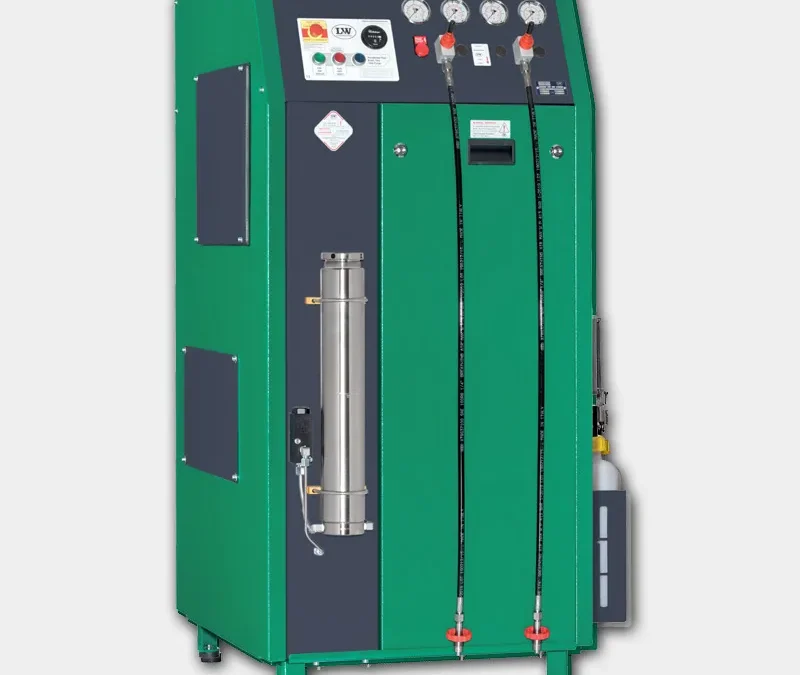
How to Select the Right Quiet High Pressure Air Compressors

How to Select the Right Quiet High Pressure Air Compressors

How to Choose Quiet High Pressure Air Compressors: The Ultimate Buying Guide for Reliable, Silent Performance

Selecting a quiet high pressure air compressor can transform workplace safety, breathing-air quality, and operator comfort while maintaining the high PSI needed for diving, firefighting, or medical systems. Businesses in critical sectors struggle with noisy compressors that disrupt operations, demand hearing protection, and compromise polished environments—from dive shops to hyperbaric clinics. This guide shows how to evaluate noise, pressure, airflow, filtration, and technologies to find a compressor combining sub-70 dB(A) operation with pressures above 3,000 PSI. You will learn:

  • What defines a quiet high pressure air compressor, including multi-stage compression and purified to breathing air standards and higher design
  • Why silent performance matters across diving, firefighting, medical, and industrial sectors
  • Key selection factors: PSI/CFM matching, decibel thresholds, compressor type, portability, air purity, and safety features
  • Application-specific recommendations and leading solutions from Lenhardt & Wagner via LW Americas
  • Maintenance practices, noise-reduction methods, and compliance with CGA, ISO 8573-1, and NFPA standards

Understanding these themes sets the stage for in-depth criteria and technology insights, guiding you to a silent, reliable solution.

What Defines a Quiet High Pressure Air Compressor?

A quiet high pressure air compressor delivers pressures above 1,000 PSI while operating at noise levels low enough for normal conversation (typically under 70 dB(A)). This balance requires specialized engineering: multi-stage pumping reduces pulsation, sound-insulating enclosures damp mechanical noise, and precision motor control avoids high-frequency vibration. For example, a German-engineered compressor can fill SCUBA cylinders to 3,500 PSI at 65 dB(A), ensuring both breathing-air purity and minimal acoustic impact. These core attributes distinguish truly quiet high pressure systems from standard industrial units, paving the way for applications demanding silence and safety.

What Are the Key Features of Quiet High Pressure Compressors?

Quiet high pressure compressors integrate multiple design elements to minimize noise without sacrificing performance. Key features include:

  1. Sound-Dampening Enclosure for mechanical isolation
  2. Multi-Stage Compression to reduce pulsation at each stage
  3. Sustained pressure purification for clean, low-friction operation
  4. Low RPM Motor Control for reduced mechanical frequency
  5. Integrated Thermal and Pressure Sensors for smooth load management

Each feature targets specific noise sources—from motor hum to pressure spikes—ensuring uninterrupted silent operation across critical applications.

How Do Noise Levels Impact Compressor Performance and User Experience?

Reducing operating decibels enhances safety, comfort, and communication. Noise under 70 dB(A) eliminates the need for hearing protection and prevents sound fatigue, enabling clear dialogue in dive shop fill rooms or hyperbaric suites. Higher noise above 85 dB(A) demands PPE and disrupts sterile environments. Quiet compressors therefore improve productivity and reduce health risks, making sub-70 dB(A) benchmarks central to user satisfaction and regulatory compliance.

Noise Level RangeImpact on EnvironmentRecommended Use Case
60–70 dB(A)Normal conversation safeSCUBA filling, medical labs
70–80 dB(A)Mild sound fatigue possibleLight industrial, workshops
>85 dB(A)Requires hearing protectionHeavy manufacturing

Lowering noise into the first category transforms operator interaction, leading to calmer workspaces and higher throughput without auditory strain.

Impact of Compressor Noise on Workplace Safety and Communication

Excessive noise from air compressors poses significant risks in workplaces, leading to hearing loss, communication breakdowns, reduced focus, and increased stress and fatigue among workers. Studies indicate that prolonged exposure to noise levels above 85 dB(A) necessitates hearing protection, while operating below 70 dB(A) is generally considered safe for normal conversation and enhances overall workplace well-being and productivity.
This research directly supports the article’s claims regarding the importance of quiet operation for safety, comfort, and communication in various professional settings, and the decibel thresholds for safe working environments.

What Role Does Multi-Stage Compression Play in Achieving High PSI Quietly?

Multi-stage compression divides the pressure increase into sequential steps, reducing vibration and heat at each stage. By using interstage cooling and pulsation dampers, these systems avoid the loud pressure spikes common in single-stage pumps. The result is smoother airflow, lower mechanical stress, and a marked reduction in overall noise. Implementing three or more stages is essential for achieving PSI levels above 3,000 quietly, which underpins high-pressure applications in diving and emergency breathing systems.

Advantages of Multi-Stage Compression in Air Compressors

Multi-stage compression significantly improves the efficiency and reliability of air compressors by distributing the compression work across several stages. This design reduces the overall work required, controls air temperature through intercooling, minimizes mechanical wear, and prevents loud pressure spikes, making it particularly effective for achieving high pressures quietly and efficiently.
This information verifies the article’s explanation of how multi-stage compression contributes to quieter operation and higher PSI levels by managing heat, stress, and pulsation.

How Does Sustained High-Pressure Purification Technology Contribute to Quiet and Clean Operation?

Continuous duty high pressure compressors require internal lubrication resulting in oil carryover. To insure clean air, a multi-stage purification system must be woven into the design. The final step of pure air processing relies on maitaining constant pressures above 1800 PSI in a pressure vessel with chemical drying agents and catalytic media in a “bone-dry” state. For breathing-air systems, this means compliance with CGA Grade E and ISO 8573-1 Class 0 standards without oil mist, combining noise reduction with unmatched air purity for sensitive uses.

Importance of Oil-Removing Technology and Air Purity Standards

Purification design in compressor technology is critical for applications demanding clean, uncontaminated air, as it eliminates the risk of oil carryover and reduces friction noise. These systems are essential for meeting stringent international air purity standards, such as ISO 8573-1 Class 0 and CGA Grade E, which define the maximum allowable levels of particles, water, and oil for critical uses like breathing air and medical applications.
This research confirms the article’s emphasis on oil-free technology for achieving high air purity and meeting industry-specific standards for sensitive applications.

Why Is Quiet Operation Crucial Across Different Industries?

Quiet high pressure compressors meet unique demands in diverse fields by reducing acoustic hazards, ensuring compliance, and enhancing user experience. Whether filling SCUBA cylinders or powering pneumatic controls, silent operation promotes efficiency, operator safety, and environmental harmony.

How Does Quiet Operation Benefit Diving and SCUBA Tank Filling?

Sub-70 dB(A) compressors allow dive shop staff and divers to communicate clearly during tank filling, reducing miscommunication risks and enhancing safety briefings. Silent performance also preserves guest comfort in resort dive operations and eliminates noise pollution in marine environments, fostering better diver experiences and repeat business.

Why Are Silent Compressors Essential for Firefighting SCBA Systems?

During SCBA cylinder refilling, fire crews must hear alarms and radio traffic clearly. A quiet high pressure compressor avoids masking critical alerts, ensures rapid refill cycles without hearing protection delays, and supports compliance with NFPA 1989 for breathing-air equipment readiness under emergency conditions.

What Makes Quiet Compressors Ideal for Medical and Hyperbaric Applications?

Hospitals and hyperbaric centers require sterile, low-noise air to maintain patient comfort and comply with NFPA 99 and ISO 8573-1 Class 0 purity. Silent compressors minimize patient stress, support diagnostic environments, and integrate seamlessly into clinical suites without jeopardizing acoustic standards for sensitive medical procedures.

Interior view of a medical hyperbaric chamber with multiple seats and oxygen supply systems.

How Does Noise Reduction Improve Industrial and Manufacturing Environments?

In manufacturing, lower sound levels boost worker concentration, reduce fatigue, and mitigate OSHA noise exposure hazards. Quiet high pressure compressors complement automated lines, laboratory setups, and testing chambers by delivering the required PSI and CFM without forcing costly acoustic treatments or downtime due to hearing conservation measures.

What Are the Key Factors to Consider When Choosing a Quiet High Pressure Air Compressor?

Evaluating performance metrics and design criteria ensures the selected compressor fits application needs while maintaining silent, efficient operation. Consider the following core factors in your decision.

How Do Pressure (PSI) and Flow Rate (CFM/SCFM) Affect Compressor Selection?

Matching compressor PSI and flow to tools or cylinder volumes is crucial for efficient operation. For SCUBA filling to 3,000 PSI, a 1.5 CFM unit may suffice, whereas industrial testing at 5,000 PSI often requires 5 CFM. Undersized flow leads to slow fill-times and thermal stress, while oversized capacity is an unnecessary cost.

ApplicationRequired Pressure (PSI)Flow Rate (CFM)Typical Cycle Time
SCUBA Tank Filling3,0005–105–10 minutes
Firefighter SCBA Refill4,5006-134–8 minutes
Hyperbaric Chamber Supply2,0002–4Continuous duty

Proper PSI/CFM pairing prevents performance bottlenecks and preserves silent operation by avoiding excessive cycling.

What Noise Level Thresholds Define a Quiet Compressor?

A compressor under 70 dB(A) is considered quiet for most professional settings, supporting normal speech. Levels between 70–80 dB(A) are moderate, requiring hearing protection over extended exposure. Seek units with rated noise levels labeled per ISO 2151 for accurate decibel comparisons and true quiet credentials.

Should You Choose Oil-Free or Oil-Lubricated Compressors for Your Needs?

Oil-free systems excel in breathing-air and medical contexts with lower contamination risk, lower maintenance, and quiet operation due to reduced friction in the low-pressure breathing air markets. Oil-lubricated compressors may offer higher efficiency and longevity for High-Pressure constant duty industrial applications. Oil lubricated compressors do require specialized purification systems to meet air quality standards.

Which Compressor Types and Stages Are Best for Quiet High Pressure Use?

Reciprocating (piston) compressors deliver high PSI in compact footprints but can generate pulsation noise without dampers. Rotary screw units run quieter and offer continuous duty at low to moderate pressures. Multi-stage centrifugal compressors scale for very high throughput and low noise when enclosed. Choose based on pressure, duty cycle, and noise requirements.

How Important Are Portability and Footprint in Compressor Selection?

Portable compressors with integrated wheels and handles allow SCUBA shops or remote operations to deploy breathing-air systems quickly. Stationary units with compact, enclosed cabinets suit fixed installations in medical or industrial facilities. Assess floor space, installation complexity, and mobility needs to ensure practical silent operation where it matters most.

What Air Quality and Filtration Standards Must Be Met for Breathing Air?

Breathing-air compressors must achieve CGA Grade E, ISO 8573-1 Class 0, or NFPA 99 purity, removing oil, moisture, particulates, and CO. Multi-stage coalescing filters, catalytic converters, and electronic CO monitors safeguard end-user health. Confirm filtration stages and replacement intervals to maintain silent, contaminant-free supply.

What Safety Features Should You Look for in Quiet High Pressure Compressors?

Essential safety elements include pressure relief valves to prevent overpressure, thermal overload protection to shut down under extreme temperatures, automatic shutdown for low-oil or high-CO detection, and emergency stop buttons. These controls protect equipment and personnel while preserving uninterrupted silent operation.

How Do Quiet High Pressure Air Compressors Serve Specific Applications?

Customizing compressor choice to applications ensures ideal performance. Below are tailored recommendations for key sectors.

What Are the Best Quiet Compressors for Diving and Maritime Use?

For dive shops and marine ventures, choose continuous-duty, multi-stage compressors with sub-65 dB(A) cabinets, rapid fill-times to 5,000 PSI, and integrated Nitrox Maker (generation) options. Portable designs simplify transfer between vessels and shore facilities, ensuring reliable breathing-air on demand under quiet conditions.

How Are Quiet Compressors Used in Firefighting and Emergency Services?

Fire stations benefit from dedicated SCBA filling panels powered by multi-stage piston compressors rated above 4,500 PSI at 70 dB(A) or lower. Enclosed cabinets protect against weather, reduce community noise complaints, and support NFPA 1989 protocols for fast, safe cylinder refills.

What Solutions Exist for Industrial Quiet High Pressure Air Compressor Needs?

Manufacturing and testing facilities rely on multi-stage piston compressors within sound-insulated housings that produce continuous high-pressure airflow (up to 7,000 PSI) at stable sub-75 dB(A) output. Variable-speed drives adjust motor RPM to match demand, lowering noise and energy consumption during partial-load conditions.

Which Medical Grade Quiet Compressors Meet Air Purity and Noise Requirements?

Hospitals and dental labs require oil-free compressors with ISO 8573-1 Class 0 certification, noise levels below 65 dB(A), and integrated HEPA filters. Models designed for hyperbaric chambers provide continuous flow at 200 PSI, while compact dental units support pneumatic instruments without disrupting patient comfort.

What Noise Reduction Technologies Enable Quiet High Pressure Compressor Operation?

Advances in acoustic engineering underpin truly silent high-pressure systems.

How Do Sound-Dampening Enclosures Reduce Compressor Noise?

Enclosures lined with multi-layer acoustic panels absorb motor and pump vibrations, blocking sound transmission. Decoupled mounting pads and internal baffles further isolate mechanical elements, delivering up to 15 dB(A) reduction compared to open-frame designs. Effective enclosures are essential for sub-70 dB(A) performance.

What Are the Benefits of Low RPM Motors in Quiet Compressors?

Reducing motor speed lowers mechanical frequency and bearing noise without compromising torque by using gear reduction systems. Variable frequency drives maintain consistent pressure under load while preventing high-pitch whine. Low-RPM designs therefore play a pivotal role in silent, efficient compression.

How Does Multi-Stage Cooling Contribute to Silent Operation?

Interstage intercoolers dissipate heat between compression phases, reducing thermal expansion noise and motor cycling. Cooler air also minimizes internal friction, lowering mechanical strain. Combined cooling and sound-absorbing jackets ensure quieter, more durable operation at elevated pressures.

What Role Do Oil-Free Pumps Play in Minimizing Sound and Contamination?

Oil-free pumps employ coated pistons or self-lubricating polymers, eliminating metal-to-metal contact that produces whining and friction noise. The absence of oil also prevents aerosol generation, eliminating filter overload and ensuring consistent silent performance over maintenance intervals.

How Should You Maintain and Ensure Safety for Quiet High Pressure Air Compressors?

Proper upkeep preserves acoustic performance, air quality, and equipment longevity.

What Are the Best Practices for Maintaining Sound-Dampening Enclosures?

Regularly inspect acoustic panels for damage or debris accumulation and clean exterior surfaces with mild detergents. Replace gasket seals on access panels to prevent vibration leaks. Keeping enclosures intact sustains the noise reduction required for silent environments.

How Do You Maintain Breathing Air Filtration Systems for Optimal Purity?

Follow manufacturer schedules for filter element replacement, typically every 6–12 months or after a calculated number of operational hours. Monitor moisture levels in the final chemical drying stage of the purificaiton system, pressure differentials across coalescing and carbon filters. Verify CO sensor calibration quarterly to ensure air meets CGA Grade E and ISO 8573-1 Class 0 standards without compromise.

What Safety Protocols Are Essential for High Pressure Compressor Operation?

Implement standard operating procedures covering startup, shutdown, and emergency response. Conduct monthly pressure relief valve tests, confirm thermal overload trips, and record maintenance in logbooks. Training staff on alarm recognition and safe handling of high-pressure cylinders prevents accidents and supports silent, reliable service.

How Can Regular Maintenance Extend the Life of Quiet High Pressure Compressors?

Scheduled oil changes for lubricated models, valve inspections for reciprocating pumps, and belt tension adjustments reduce mechanical wear and avoid performance drift. Preventive care keeps noise-damping components functioning optimally, ensuring sustained low-noise operation alongside peak pressure delivery.

Which Leading Brands and Models Offer the Best Quiet High Pressure Air Compressors?

Selecting a proven provider ensures quality, service, and compliance.

What Are the Key Features of Lenhardt & Wagner’s Quiet High Pressure Compressors?

Lenhardt & Wagner compressors combine precision German engineering with robust multi-stage pumps, oil lubricated and oil-free technology, and fully welded sound-insulated cabinets. Models like the ES II Silent Series operate at 60–65 dB(A) while delivering up to 5,000 PSI, featuring integrated CO monitors and intuitive control panels for safe breathing-air production.

How Do LW Americas’ Models Compare on Noise Level, PSI, and Air Quality?

LW Americas offers products that span 2- to 5-stage configurations, all meeting ISO 8573-1 Class 0 and CGA Grade E. Their compressors run at 60–70 dB(A) and supply 50–200 l/min of breathing air at up to 350 bar. With custom airflow options and expedited service support, these units outperform many conventional silent compressors in both purity and pressure consistency.

ModelMax PressureFlow RateNoise LevelPurity Standard
ES II Silent (3-stage)350 bar320 l/min (11.3 CFM)62 dB(A)ISO 8573-1 Class 0
ES II Silent (4-stage)420 bar1300 l/min (46 CFM)65 dB(A)CGA Grade E

This comparison highlights LW Americas’ leadership in balancing silent operation, high PSI, and breathing-air compliance.

What Customization and Support Options Does LW Americas Provide?

LW Americas delivers OEM engineering for bespoke compressor skids, turnkey NitroxMaker™ integration, and on-site installation training. Their service network covers preventive maintenance, rapid repairs, and parts supply, ensuring minimal downtime and sustained quiet performance in mission-critical environments.

How Do L&W Compressors Meet Industry Standards for Breathing Air and Safety?

All L&W compressors distributed by LW Americas adhere to NFPA 99, CGA G-7.1 Grade E, and ISO 8573-1 Class 0 guidelines. Features such as electronic CO monitoring, automatic condensate drains, PMV (back-pressure maintaining valve) and duplex filtration guarantee the purest compressed air, while built-in safety valves and thermal sensors comply with global pressure equipment directives.

Choosing the right quiet high pressure air compressor involves careful consideration of noise, PSI, flow, and purity requirements across your specific applications. By prioritizing advanced sound-reduction features, multi-stage pumping, oil-removing processor design, and certified filtration, you ensure both silent performance and reliable breathing-air quality. For expert guidance, consult with LW Americas to tailor a compressor system that aligns with your industry standards and operational goals.

Frequently Asked Questions

What maintenance practices are essential for quiet high pressure air compressors?

Regular maintenance is crucial for ensuring the longevity and performance of quiet high pressure air compressors. Key practices include inspecting sound-dampening enclosures for damage, replacing filter elements according to the manufacturer’s schedule, and monitoring pressure differentials. Additionally, routine checks of safety features like pressure relief valves and thermal overload protection are essential. Keeping a maintenance log helps track service intervals and ensures compliance with safety standards, ultimately preserving the compressor’s quiet operation and air quality.

How can I ensure compliance with air quality standards for breathing air?

To ensure compliance with air quality standards such as CGA Grade E and ISO 8573-1 Class 0, it is vital to use multi-stage filtration systems that effectively remove contaminants like oil, moisture, and particulates. Regularly monitor and replace filter elements as recommended, typically every 6 to 12 months or after a specified number of operational hours. Additionally, calibrate CO sensors quarterly to maintain air purity, ensuring that the compressor consistently delivers safe, clean breathing air for sensitive applications.

What are the advantages of using low RPM motors in quiet compressors?

Low RPM motors significantly contribute to the quiet operation of compressors by reducing mechanical frequency and bearing noise. These motors maintain torque while minimizing high-pitch whine, which is often associated with higher RPMs. By utilizing gear reduction systems, low RPM designs can efficiently manage pressure under load without compromising performance. This technology is essential for achieving the desired noise levels while ensuring reliable and efficient compression, making it a preferred choice for applications requiring silent operation.

How do sound-dampening enclosures enhance compressor performance?

Sound-dampening enclosures play a critical role in enhancing the performance of quiet high pressure air compressors by absorbing vibrations and blocking sound transmission. These enclosures are typically lined with multi-layer acoustic panels and feature decoupled mounting pads to isolate mechanical elements. By reducing noise levels by up to 15 dB(A) compared to open-frame designs, effective enclosures ensure that compressors operate within the desired noise thresholds, making them suitable for environments where silence is paramount.

What should I consider when selecting a compressor for medical applications?

When selecting a compressor for medical applications, prioritize oil-free technology to eliminate contamination risks and ensure compliance with air purity standards like ISO 8573-1 Class 0. Additionally, look for models that operate at noise levels below 65 dB(A) to maintain patient comfort and minimize stress. Features such as integrated HEPA filters and continuous flow capabilities are also essential for supporting pneumatic instruments and maintaining a sterile environment in hospitals and clinics.

What are the key safety features to look for in high pressure compressors?

Key safety features in high pressure compressors include pressure relief valves to prevent overpressure situations, thermal overload protection to shut down the unit under extreme temperatures, and automatic shutdown mechanisms for low-oil or high-CO detection. Emergency stop buttons are also crucial for immediate response in case of emergencies. These safety controls not only protect the equipment but also ensure the safety of personnel, allowing for uninterrupted and reliable operation in various applications.

How does multi-stage compression improve compressor efficiency?

Multi-stage compression enhances compressor efficiency by dividing the pressure increase into sequential stages, which reduces vibration and heat generation at each step. This design allows for interstage cooling and the use of pulsation dampers, minimizing loud pressure spikes common in single-stage systems. As a result, multi-stage compressors provide smoother airflow, lower mechanical stress, and quieter operation, making them ideal for applications requiring high PSI levels without compromising on noise reduction.

Conclusion

Selecting the right quiet high pressure air compressor is essential for enhancing workplace safety, air quality, and operator comfort across various industries. By focusing on noise reduction, advanced filtration, and reliable performance, you can ensure compliance with industry standards while improving user experience. For tailored solutions that meet your specific needs, reach out to LW Americas for expert guidance. Explore our offerings today to find the perfect compressor for your application.
Why LW Americas is Your Go-To for Scuba Tank Air Compressors

Why You Should Consider LW Americas for High Pressure Air Compressor Systems

High-pressure compressor systems are the backbone of safe breathing air delivery and specialized gas handling across industries from diving to medical care. Whether you’re filling a scuba tank air compressor for a dive shop or supplying inert gases for manufacturing, choosing the right partner ensures reliability, purity, and efficiency. In this article, we explore which industries benefit most from LW Americas high pressure compressors, what distinguishes their German-engineered solutions, the available product range, support services, selection criteria, reasons to trust their expertise, and how to get started with a custom quote or consultation.

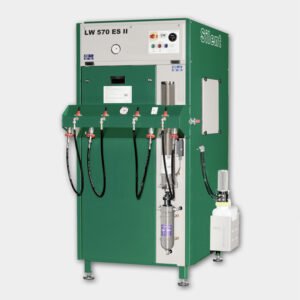
LW 570 ES II Silent high-pressure breathing air compressor system with integrated fill panel and purification components.

What Industries Benefit Most from LW Americas High Pressure Compressors?

High-pressure compressors serve critical functions by delivering pressurized gases at precise purity levels across various sectors, ensuring operational safety and productivity. Industries such as diving, firefighting, industrial gas processing, maritime operations, and healthcare rely on these systems to meet stringent standards and operational demands. For example, technical divers depend on certified breathing air, while hydrogen fueling stations require robust compressors to handle extreme pressures.

How Do LW Americas Compressors Serve the Diving and Firefighting Industries?

LW Americas breathing air compressors provide pure, high-pressure air for scuba tank filling and SCBA stations, adhering to CGA Grade E and NFPA 1989 standards. Their multi-stage air-cooled compressor modules remove moisture and contaminants before delivery, enabling dive shops and fire departments to supply safe breathing air consistently. A portable scuba tank air compressor model offers remote-fill capability for liveaboard dive operations or wildfire response units. These systems integrate Puracon™ purification and advanced Puracon Pro monitoring options to monitor oxygen, CO, CO2 and other gas levels, supporting uninterrupted operations during critical missions.

NFPA 1989: Standard on Breathing Air Quality for Emergency Services Respiratory Protection

The NFPA 1989 standard sets criteria for safe breathing air used by fire and emergency services personnel with atmosphere-supplying respirators. It requires quarterly testing of compressed air breathing systems by accredited laboratories and specifies limits for oxygen and carbon monoxide, alongside detailed maintenance protocols to ensure air quality and operational safety.

This research directly supports the article’s claim that LW Americas compressors adhere to NFPA 1989 standards for firefighting applications, ensuring the delivery of safe breathing air.

Understanding industrial gas demands clarifies why LW Americas’ robust engineering underpins these life-safety applications.

What Are the Industrial Applications for LW Americas High Pressure Compressors?

Industrial sectors leverage high-pressure compressors to handle hydrogen, nitrogen, natural gas, and biogas for fuel, processing, and energy storage. Hydrogen compression systems reach up to 10,000 psi for fueling stations, while nitrogen compressors support inerting in semiconductor manufacturing. Biogas upgrading benefits from dedicated compressors that tolerate moisture and contaminants, enabling efficient pipeline injection or CNG vehicle fueling. For instance, a biogas facility in California improved uptime by 30% after installing custom L&W hydrogen boosters through LW Americas.

These diverse applications highlight how precision and resilience enable broader adoption of clean-energy solutions.

Why Are LW Americas Compressors Ideal for Medical and Maritime Sectors?

Medical-grade air compressors deliver sterile, oil-free breathing air for hospitals and hyperbaric chambers, meeting ISO 8573-1 Class 0 standards to protect patient safety.

Standards for Compressed Breathing Air Quality: CGA G-7.1 and ISO 8573-1 Class 0

CGA G-7.1 provides specifications for compressed breathing air, detailing permissible levels for contaminants such as carbon monoxide, carbon dioxide, and oil mist, which are critical for applications like scuba diving. ISO 8573-1 Class 0 represents the most stringent level of compressed air purity, particularly for oil-free applications, essential in sensitive sectors like medical and pharmaceutical industries where even trace contamination is unacceptable.

This verifies the article’s assertion that LW Americas compressors meet CGA Grade E for scuba and SCBA applications, and ISO 8573-1 Class 0 for medical-grade air, highlighting their commitment to purity and safety standards.

In offshore and yachting environments, YachtPro™ systems provide compact, vibration-isolated compressors engineered for maritime corrosion and low-noise operation. These units ensure reliable on-board breathing air and gas supply for underwater repair teams and submersible support vessels. The integration of NitroxMaker™ modules allows dive charter operators to continuously produce nitrox (oxygen enriched air) on demand without the neeed to carry or handle pure oxygen, improving dive profiles and extending bottom times.

Building on medical and maritime demands sets the stage for exploring the unique value propositions of LW Americas compressors.

What Makes LW Americas High Pressure Compressors Stand Out?

The LW Americas advantage stems from exclusive distribution of L&W German-engineered compressors, combined with bespoke system design and comprehensive aftermarket support. These factors translate into superior performance, longevity, and customized solutions that align precisely with customer requirements.

How Does L&W German Engineering Ensure Reliability and Performance?

L&W compressors feature precision-machined cylinders, durable vibration-damped frames, and integrated oil-flooded sealing systems that minimize wear under high pressures. Rigorous factory testing validates pressure ratings and purity outcomes before shipment, reducing on-site commissioning time.

FeatureDescriptionBenefit
Multi-stage compressionProgressive pistons with intercooling between stagesAchieves up to 6,100 psi (420 bar) with stable temperatures
Oil-flooded sealing ringsOil reservoir maintains lubrication under extreme loadsExtends service intervals and reduces downtime
Corrosion-resistant alloysHigh-grade stainless steel for contact surfacesEnhances lifespan in humid or offshore environments

These engineered attributes deliver low-vibration operation and consistent output, preparing us to examine the importance of custom solutions.

Why Are Custom High Pressure Compressor Solutions Important for Your Business?

Customized compressor systems allow businesses to optimize for gas type, pressure range, footprint, and automation level. Tailored solutions ensure compatibility with existing infrastructure and regulatory requirements while maximizing energy efficiency. Key reasons to customize include:

  • Designing for specific gas purity and flow requirements
  • Integrating fill manifolds, storage vessels, and monitoring systems
  • Complying with local electrical and safety codes
  • Scaling capacities for future expansion

Customized configurations reduce retrofit costs and streamline project timelines, enhancing overall return on investment.

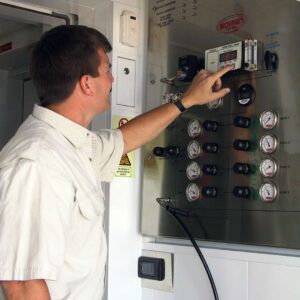
Technician operating custom LW Americas gas control panel for high-pressure compressor and oxygen system integration.

What Are the Benefits of LW Americas’ NitroxMaker™ and YachtPro™ Systems?

LW Americas (sister company of Brownie’s THIRD LUNG) NitroxMaker™ systems enable precise Nitrox Production without the need of stored oxygen to produce nitrox mixtures between 21% and 38% oxygen, supporting enriched-air diving and technical gas mixes. YachtPro™ compressors combine compact design, soundproof enclosures, and automatic controls ideal for marine applications. Benefits include:

  • On-demand nitrox production for optimized dive planning
  • Advanced PLC control panels for remote monitoring and alerts
  • Modular skid-mounted packages for simplified installation

These proprietary solutions embody the combination of German engineering and North American service responsiveness, paving the way to a review of the full product lineup.

Which LW Americas High Pressure Compressor Products Are Available?

LW Americas offers a comprehensive portfolio of breathing air compressors, industrial gas boosters, and turnkey systems designed to cover any high-pressure application. Customers can choose pre-configured models or fully engineered systems tailored to their specifications.

What Are the Features of LW Americas Breathing Air Compressors for Sale?

Below is a selection of popular breathing air compressor models, illustrating key specifications for scuba and SCBA applications.

ModelMax PressureFlow Rate (LPM)
LW 100 SCUBA5,000 psi (345 bar)100
LW 320 SCUBA5,000 psi (345 bar)320
LW 1300 E6,100 psi (420 bar)1300
LW 570 SCBA6,100 psi (420 bar)570

Each model integrates multi-stage purification and programmable fill-control panels for consistent tank filling. These specifications demonstrate the range of breathing air solutions before we examine industrial compressors.

How Do Industrial High Pressure Air Compressors from LW Americas Meet Your Needs?

Industrial boosters handle inert gases, hydrogen, and biogas at pressures up to 10,000 psi with corrosion-resistant materials and advanced safety interlocks. Variable frequency drive (VFD) options optimize power consumption under partial-load conditions, reducing operating costs by up to 25%. Integrated Puracon™ systems ensure continuous gas quality monitoring, making these compressors ideal for critical manufacturing and energy projects.

This breadth leads into our overview of fully custom turnkey offerings.

What Custom Compressor Solutions Does LW Americas Offer?

LW Americas delivers end-to-end compressor systems that include:

  • Turnkey compressor skid fabrication with storage vessels
  • Automated fill stations and panel integration
  • 2D/3D CAD design, P&ID development, and on-site installation support
  • Factory acceptance testing and operator training
  • Global network of customer support and service

These project-managed solutions simplify procurement and commissioning, setting the foundation for exploring support services.

How Do LW Americas Support and Service Enhance Compressor Performance?

Comprehensive service packages maintain peak performance, minimize downtime, and uphold safety standards throughout a compressor’s lifecycle. Proactive maintenance and genuine parts availability preserve reliability and gas purity over decades of operation.

What Installation and OEM Engineering Support Does LW Americas Provide?

LW Americas engineers conduct site surveys, perform load and piping analyses, and generate detailed P&ID and 3D models to integrate compressors seamlessly. Their OEM support covers electrical hookups, commissioning, and training for in-house technicians, ensuring systems operate to specification from day one.

How Does LW Americas Ensure Availability of Genuine Spare Parts and Maintenance?

A centralized warehouse stocks critical spares—sealing rings, valves, lubricants, filters—guaranteeing quick fulfillment across the Americas and Caribbean. Scheduled maintenance agreements include annual inspections, performance testing, and calibration of safety relief valves, all performed by factory-trained technicians.

Reliable parts supply underpins safe, efficient operations and transitions smoothly into why maintenance is critical.

Why Is Ongoing Compressor Maintenance Critical for Safety and Efficiency?

Regular maintenance preserves compressor performance by detecting wear on pistons and seals before failures occur, maintaining gas purity levels to meet CGA Grade E and NFPA 1989 standards. Scheduled servicing reduces energy consumption by preventing leaks and heat buildup, extending equipment life and ensuring compliance with industrial regulations.

With support and service outlined, we turn to selecting the right compressor system for your needs.

How Can You Choose the Right LW Americas High Pressure Compressor System?

Selecting an appropriate compressor involves evaluating performance requirements, gas type, regulatory compliance, and system footprint to maximize uptime and ROI. Making an informed decision aligns your operational goals with a system that delivers purity, capacity, and reliability.

What Factors Should You Consider When Selecting a High Pressure Compressor?

When choosing a high-pressure compressor, consider:

  • Required pressure range and maximum operating PSI
  • Flow rate (SCFM) to match demand cycles
  • Gas type and purity specifications
  • Power supply, cooling method, and noise constraints
  • Footprint, weight, and installation environment

These criteria ensure the selected system aligns with site conditions and application demands.

How Does Multi-Stage Compression Technology Improve Compressor Efficiency?

Multi-stage compression uses sequential cylinders and intercoolers to reduce heat and energy loss between stages, enabling higher final pressures with lower power draw. By staging compression, lubricating oil remains within sealed chambers, reducing contamination risk. This approach improves thermodynamic efficiency and component longevity.

Efficient compression technology dovetails with strict safety and purity standards.

What Are the Safety and Purity Standards LW Americas Compressors Comply With?

LW Americas compressors meet:

  • NFPA 1989 for breathing air systems
  • CGA Grade E and ISO 8573-1 for air quality
  • ASME, DOT, and CTC pressure vessel codes for storage tanks
  • OSHA regulations for workplace safety

Adherence to these standards safeguards personnel and maintains operational integrity.

Recognizing selection criteria and compliance leads to understanding why LW Americas is the trusted partner for high pressure compressor needs.

What Are the Key Reasons to Trust LW Americas for Your High Pressure Compressor Needs?

Trust in a compressor supplier is built on proven performance, industry experience, and documented success stories that demonstrate solution delivery under diverse conditions. LW Americas combines German engineering with North American support to offer unmatched reliability and expertise.

How Do LW Americas Case Studies Demonstrate Successful Custom Solutions?

A mining operation in South America reduced downtime by 40% after installing a turnkey hydrogen booster system, while a coastal yacht club enhanced safety by integrating YachtPro™ compressors for dive support. These case studies illustrate on-time delivery, custom engineering, and measurable operational improvements.

These successes rest on decades of specialized experience.

Why Does LW Americas’ 50+ Years of Industry Experience Matter?

With roots in Brownie’s Marine Group dating back over five decades, LW Americas has refined its approach to compressor integration, service, and innovation. This heritage translates into streamlined project management, deep technical knowledge, and long-term customer relationships that drive continuous improvement.

How Do Industry Standards and Certifications Support LW Americas’ Credibility?

L&W Compressors (the manufacturer, based in Germany) holds ISO 9001 certification for quality management, and its products exceed NFPA, CGA, and ASME requirements. Factory-trained technicians carry manufacturer credentials to perform maintenance and repairs, ensuring every service action upholds original equipment standards.

These combined credentials and experience guide you to the final step: engaging with LW Americas as the distributor based in Florida, United States.

How Can You Get Started with LW Americas High Pressure Compressor Solutions?

Initiating a partnership with LW Americas involves a straightforward inquiry, needs assessment, and collaborative design process that delivers tailored high-pressure compressor systems on schedule and within budget.

What Is the Process to Request a Custom Quote or Consultation?

Begin by submitting basic project parameters—required pressure, flow, gas type—via the online form or email inquiry. A sales engineer will schedule a discovery call to refine specifications, then provide a detailed proposal with options for federal and state incentive programs.

This approach ensures clarity before design work begins.

How Can LW Americas Help Design Your Custom High Pressure Compressor System?

LW Americas engineering teams develop conceptual layouts, P&IDs, and 3D models to validate system performance and installation logistics. Factory acceptance testing allows you to witness performance metrics firsthand before shipment, minimizing on-site surprises.

A collaborative design workflow streamlines project delivery.

Where Can You Find LW Americas Contact and Support Information?

You can reach LW Americas by phone at (954) 462-5571 or via email at info@lwamericas.com. Their headquarters in Davie, Florida, offers showroom demonstrations and training sessions. Regional technical representatives provide field support throughout North, Central, and South America as well as the Caribbean.

By following these steps and leveraging LW Americas expertise, your organization secures efficient, reliable high pressure compressor solutions that meet regulatory and operational demands.

LW Americas combines exclusive German engineering with end-to-end custom design, installation, and support to deliver high-pressure compressor systems that meet the most demanding applications. From scuba tank air compressor solutions for dive shops to industrial hydrogen boosters and maritime YachtPro™ packages, their portfolio addresses diverse gas handling needs. Backed by over 50 years of experience and rigorous compliance with NFPA, CGA, and ISO standards, LW Americas ensures reliability, purity, and operational safety through every stage: consultation, deployment, and maintenance. Contact LW Americas today to discuss your next high-pressure compressor project and experience seamless performance from concept to long-term support.

Frequently Asked Questions

What maintenance practices are recommended for high pressure compressors?

Regular maintenance for high pressure compressors includes routine inspections, lubrication of moving parts, and replacement of worn components such as seals and filters. Scheduled maintenance should also involve performance testing and calibration of safety relief valves to ensure compliance with safety standards. Keeping a maintenance log helps track service history and identify potential issues before they lead to failures. Engaging factory-trained technicians for these tasks can enhance reliability and extend the lifespan of the compressor system.

How can businesses ensure compliance with safety regulations when using compressors?

To ensure compliance with safety regulations, businesses should familiarize themselves with relevant standards such as NFPA 1989 and CGA Grade E. Regular training for staff on safety protocols and emergency procedures is essential. Additionally, conducting routine audits and inspections of the compressor systems can help identify any non-compliance issues. Collaborating with suppliers like LW Americas, who provide documentation and support for regulatory compliance, can further streamline adherence to safety requirements.

What are the energy efficiency benefits of using LW Americas compressors?

LW Americas compressors are designed with energy efficiency in mind, featuring variable frequency drives (VFD) that optimize power consumption based on load conditions. This technology can reduce energy costs by up to 25%. Additionally, multi-stage compression technology minimizes energy loss and heat generation, leading to lower operational costs. By investing in energy-efficient compressors, businesses not only save on utility bills but also contribute to sustainability efforts by reducing their carbon footprint.

What types of gases can LW Americas compressors handle?

LW Americas compressors are versatile and can handle a variety of gases, including hydrogen, nitrogen, natural gas (CNG), helium, and biogas. Each compressor is engineered to meet the specific purity and pressure requirements of different applications, ensuring safe and efficient gas handling. This adaptability makes them suitable for industries ranging from medical to industrial gas processing, allowing businesses to utilize a single compressor system for multiple gas types as needed.

How does LW Americas support customers after the sale?

LW Americas provides comprehensive post-sale support, including installation assistance, operator training, and ongoing maintenance services. Their team of factory-trained technicians is available for troubleshooting and repairs, ensuring that customers can maintain optimal performance of their compressor systems. Additionally, LW Americas offers scheduled maintenance agreements that include inspections and performance testing, helping customers avoid unexpected downtime and extend the lifespan of their equipment.

What are the advantages of custom compressor solutions from LW Americas?

Custom compressor solutions from LW Americas are tailored to meet specific operational needs, ensuring optimal performance and efficiency. These solutions can be designed to accommodate unique gas types, pressure requirements, and site conditions. Customization also allows for integration with existing infrastructure and compliance with local regulations. By investing in a bespoke system, businesses can enhance productivity, reduce retrofit costs, and achieve a better return on investment over time.

How can LW Americas assist with the design of a high pressure compressor system?

LW Americas offers expert engineering support in designing high pressure compressor systems. Their team collaborates with clients to develop conceptual layouts, P&ID diagrams, and 3D models that validate system performance and installation logistics. This collaborative approach ensures that the final design meets all operational requirements and regulatory standards. Additionally, factory acceptance testing allows clients to verify performance metrics before shipment, minimizing the risk of issues during installation.

Conclusion

LW Americas delivers high-pressure compressor systems that combine German engineering with tailored solutions for diverse applications, ensuring reliability and safety. Their extensive experience and adherence to industry standards reinforce the value of choosing a trusted partner for your gas handling needs. Take the next step towards optimizing your operations by contacting LW Americas for a custom quote or consultation. Experience the difference in performance and support that comes with over 50 years of expertise.

The Right Compressor for a Lagoon 42 Catamaran

CUSTOMER INQUIRY

I am purchasing a Lagoon 42 Catamaran and want to install a Scuba compressor.  I have a FISCHER PANDA FP Marine Genset AC – PMS08 Mini-DP 120V already installed on the boat.    

The boat will be delivered to CT and then in November, I plan to sail it down to the Caribbean. I was wondering if you guys can help with this project, or at least advise on which compressor to purchase and where to install and best design for the system.  

LW AMERICAS RECOMMENDATION

YachtPro™ Essential (YP100)

Our Yachtpro™ Essential (YP100SF-D) compressor system is preferred by motor cat and sail cat owners everywhere. Here is a downloadable page with details, features, specifications and drawings to give you some reference. 

The YP100 is completely automated. You only need to connect your tanks, open the valves and turn the system on. You are then free to attend to other duties while your tanks fill to the programmed pressure. The compressor automatically stops when your tanks are full. 

The system comes with a Variable Frequency Drive (VFD) to alleviate the tremendous inrush draw typically experienced when starting an electric motor. You can use the Yacht Pro Essential on much smaller generator sets than other compressors of this size; very important for boaters. 

The entire compressor system is pre-mounted on a base of King Starboard to make installation as easy as possible. Just place on a suitable surface. screw the base panel down, hang the VFD control box, hook up your electric service – and you are ready to go!

We supply everything you need to install and run your compressor system. 

NOTE: At this time, the standard configuration of the YP100 is compatible with 200-240v, 50/60Hz 1ph or 3ph electric service. Higher voltage configurations are available for an additional charge. 

Things to consider:

  • Does your generator have a 230v outlet you can utilize for the compressor?
  • How many divers will the system need to support? Making how many dives per day?

We can modify the compressor output to best fit your boat plans. I’ve attached a page illustrating just a few of the options we use on a regular basis. Let us know if you have a particular need or design requirement. We are happy to help. 

Mobile Breathing Air Compressors: The LW 100 Series

Powerful. Reliable. Compact.


The heart of the 100 series is the cutting edge LW100 Compressor block. It is the only block on the market with the crank case and cylinders cast in one piece. This eliminates the possibility of leaks between seals, keeps a high degree of precision between moving parts, and offers more efficient heat dissipation. The LW 100 Block also is the only compressor in its class to offer dual functioning intake and discharge valves in each stage to reduce maintenance, Steel piston rings designed to outlast and outperform competitor’s PTFE piston rings, and an outstanding 7+ hour run time without having to cool down the machine.

Contact us for more information

(more…)