
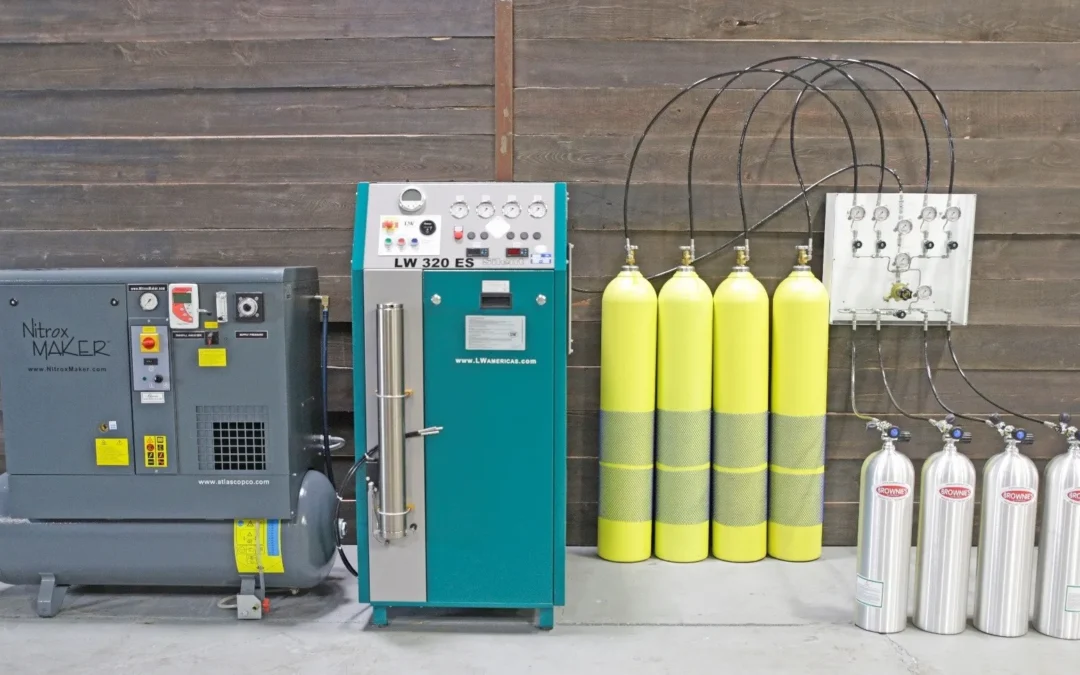
Best Diving Air Compressors 2026: Comprehensive Buyer’s Guide for High Pressure and Custom Solutions
Diving air compressors compress and condition breathing air to high-pressure levels so cylinders can be filled reliably for recreational, technical, and commercial diving. This guide explains the types of high pressure diving air compressors available in 2026, the technologies that improve breathing air quality, and the performance and reliability metrics buyers must read to make informed purchases. Many operators struggle to match pressure, flow and filtration to operational needs while meeting operational standards; this article provides a clear decision framework and actionable maintenance routines to close that gap. Readers will find model-comparison criteria, maintenance schedules formatted for quick decision-making, industry use-cases that justify custom engineering, and buyer checklists that prioritize what matters in real-world fills. Throughout the guide we use terms like scuba compressor comparison, high pressure breathing air systems, and compressor filtration technology to help you evaluate options in technical and procurement discussions. After the technical sections we explain how specialized providers can support custom solutions for sector-specific needs, enabling readers to transition from evaluation to requesting a tailored quote.
2026 High-Pressure Diving Air Compressors: Complete Buyer’s Guide
High pressure diving air compressors fall into distinct categories defined by capacity, mobility, and duty cycle: portable scuba air compressors, industrial fill-station compressors, mobile fill units, and custom-engineered systems. Each type uses similar core components—a compressor pump, air filtration module, receiver tank and cooling system—but differs in scale, typical pressure ranges, and intended use. Choosing among them requires matching pressure rating (psi/bar), air flow (cfm/lpm) and filtration strategy to the operational profile, which determines whether portability or continuous duty is most important. The overview below lists each category with key differentiators to help readers quickly narrow the right class of equipment before looking at specific models.
Common high-pressure compressor categories and where they fit:
- Portable scuba air compressors: Lightweight units for shore or remote filling that emphasize portability and modest flow rates.
- Industrial diving compressors: Stationary or skid-mounted fill stations with higher pressure and sustained flow for commercial and rental operations.
- Mobile fill station compressors: Trailer- or vehicle-mounted systems offering rapid fills on-scene for emergency or field operations.
- Custom-engineered systems: Tailored builds that meet special pressure, footprint, or compliance needs for sectors such as maritime or medical.
These categories define the initial procurement decision, and the next subsection compares the practical tradeoffs between portable and industrial options to inform site-level choices.
How Do Portable Scuba Air Compressors Compare to Industrial Diving Compressors?
Portable scuba air compressors prioritize small footprint, lower weight, and simpler power requirements while sacrificing continuous duty and rapid fill capacity. Portable units typically produce lower maximum pressure and reduced cfm/lpm compared with industrial fill stations, making them ideal for shore dives, small clubs, and emergency top-ups rather than filling large fleets of cylinders.
Industrial diving compressors are built for sustained operation with larger receivers, multi-stage pumps, and robust cooling that support higher flow rates and repeated fills per hour; they also integrate advanced filtration and monitoring to maintain breathing air quality for commercial use.
When choosing between these classes, weigh portability and transportability against duty cycle and expected daily tank volumes, because that tradeoff determines operational efficiency and long-term cost.
What Are the Latest Technologies in Breathing Air Compressor Systems?
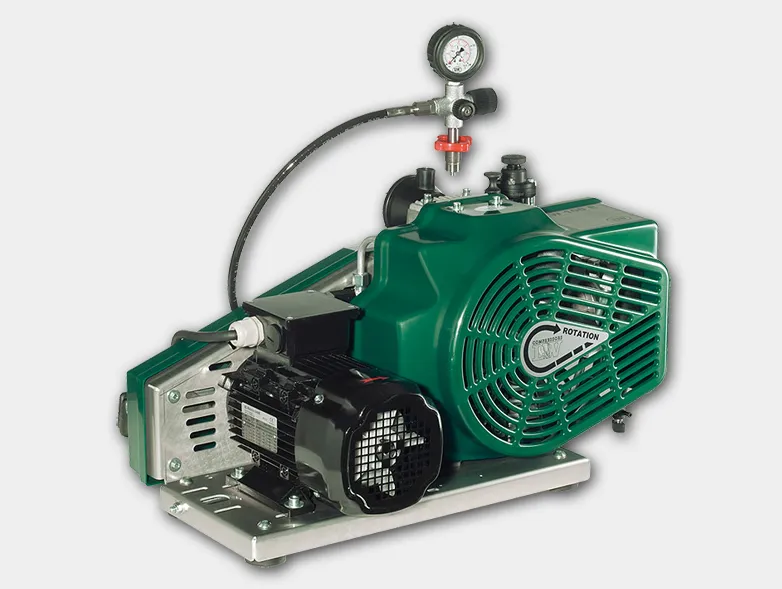
Recent advances in breathing air compressor systems focus on multi-stage compression, improved filtration media, integrated moisture and oil separation, and quieter enclosures that reduce environmental impact.
Modern filtration combines coalescing filters, activated carbon adsorption, and molecular sieves to target particulate, hydrocarbons and moisture—delivering air that meets stringent breathing quality expectations.
Noise control has progressed via engineered enclosures and vibration isolation that reduce dB levels, while energy-efficiency improvements such as variable-speed drives and optimized cooling lower operating costs and heat generation.
These technology trends reduce lifecycle costs and enable smaller mobile units to achieve performance once reserved for larger stationary compressors.
Which Diving Air Compressors Offer the Best Performance and Reliability?
Performance and reliability are functions of pressure rating, air flow, duty cycle, materials of construction and serviceability; each factor directly impacts reliable fills and operational uptime. Pressure rating (psi/bar) determines the maximum cylinder pressure the system can supply, while air flow (cfm/lpm) and receiver capacity dictate how many fills per hour are possible without overheating. Reliability indicators include the quality of pump components, accessibility of serviceable parts, documented maintenance intervals, and manufacturer support models that reduce downtime.
The following comparison shows representative model characteristics for quick evaluation:
This comparison clarifies operational tradeoffs and highlights that models optimized for high flow and continuous duty require heavier construction and more advanced cooling and filtration. Next we examine how pressure and flow specifications translate into operational margins for practical diving operations.
What Are the Advantages of Custom Dive Air Compressor Solutions?
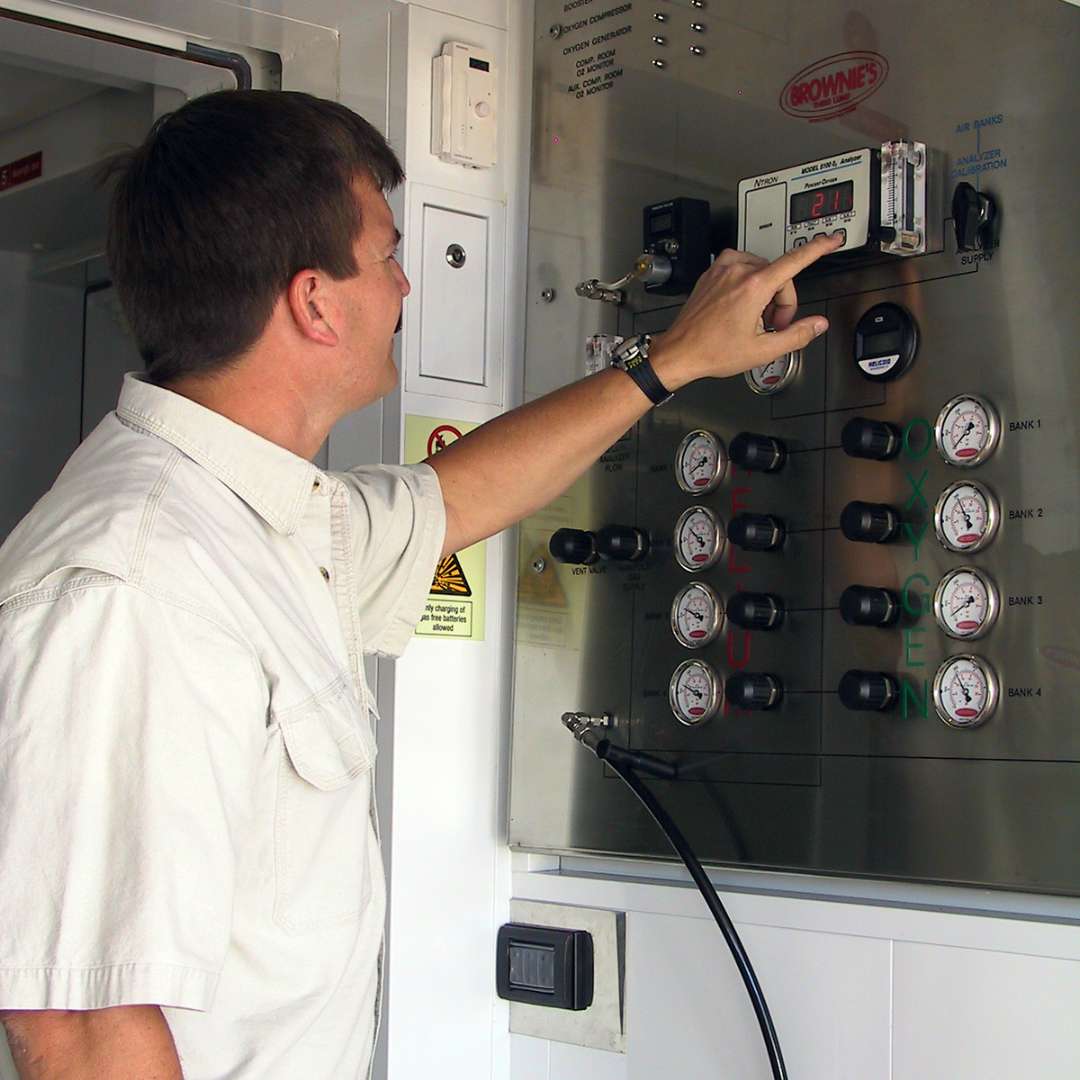
Custom-engineered compressors provide tailored pressure ranges, integrated receivers, specialized controls, and specific filtration stacks to meet unique operational constraints or regulatory needs.
Custom solutions can optimize footprint for tight installations, include corrosion-resistant materials for maritime use, or integrate with mobile platforms for firefighting and rescue applications—improving reliability and ROI where off-the-shelf systems fall short.
Mini case scenarios show that investing in a custom skid with integrated monitoring can reduce downtime and operational costs by matching duty cycle precisely to field demands.
When standard models cannot satisfy pressure, footprint or compliance requirements, custom engineering delivers a focused solution that aligns technical performance with operational priorities.
At this point, specialized providers become relevant: LW Americas is a manufacturer and provider of high pressure air compressors and custom compressor solutions serving diving, firefighting, maritime, industrial, medical, and sports sectors. As an information hub and lead generation resource, LW Americas emphasizes reliability and customization to meet sector requirements and can partner to define specifications and provide tailored system proposals. If your operation requires a tailored configuration—for example, a mobile trailer with rapid-fill capability and corrosion resistance—consultation with a custom engineering provider helps scope controls, filtration stages and mechanical packaging to your site requirements.
What Industry Applications Benefit from Specialized Diving Air Compressors?
Specialized diving air compressors support a variety of industries—firefighting, maritime, medical, sports diving, and industrial inspection—each with unique requirements for fill rate, portability, corrosion resistance and air purity.
Firefighting needs rapid-fill mobile units and rugged packaging for field response, maritime operations prioritize corrosion-resistant materials and compact footprints, and medical applications demand the highest filtration and validated sampling for regulatory compliance.
Sports diving organizations often prefer quieter, portable systems with trailer mounts or low-noise enclosures that integrate easily into training sites.
The industry mapping table below links typical sector requirements to customization options to guide procurement conversations and justify consultative engineering.
This mapping helps operational buyers translate sector needs into technical requirements that guide specification and vendor selection. The following subsection details how customization differs by major sectors and when custom engineering is justified.
How Are Compressors Customized for Firefighting, Maritime, and Medical Sectors?
Customization strategies vary by sector: firefighting units focus on rapid fills, integrated power and ruggedized mounts that support on-scene refills; maritime units emphasize corrosion-resistant coatings, stainless or composite receivers and sealed control enclosures to withstand saltwater environments.
Medical-sector compressors require ultra-clean filtration stacks, validated sampling procedures and documentation that supports clinical audits; these systems often include redundant monitoring and alarms for contamination events. Each sector benefits when controls and mechanical packaging are matched to operating environments, because these tailored elements reduce service interventions and improve uptime under demanding conditions.
What Are the Benefits of Using Custom Compressor Solutions in Sports Diving?
Sports diving organizations gain practical advantages from custom compressor solutions that prioritize quiet operation, portability and ease of maintenance for club or event use.
Noise enclosures and vibration isolation let compressors operate near training areas with minimal disturbance, while trailer-mounted or compact skids make transportation between sites straightforward.
Custom control panels that simplify common operations and provide fill counters save technician time and reduce training requirements for volunteer staff.
These modest customizations improve user experience, encourage program growth and reduce the total cost of ownership through simpler serviceability and lower operational friction.
After considering industry requirements, many organizations find value in consulting with specialist providers who translate operational constraints into technical specifications and offer engineered proposals tailored to real-world use-cases.
How to Choose the Right Diving Air Compressor for Your Needs in 2026?
Selecting the right diving air compressor requires a prioritized decision framework that balances pressure & flow, filtration & air quality, duty cycle & reliability, portability, and service/support.
Each criterion influences others—higher pressure often demands heavier construction and more advanced filtration, while portability can limit continuous duty capability—so buyers must score options against their operational profile.
The checklist below helps buyers evaluate vendors and models systematically, converting usage patterns and regulatory needs into clear technical requirements. After the neutral guidance, we explain how consultative partnerships can streamline specification and quoting for custom or complex projects.
Key decision criteria to evaluate before procurement:
- Pressure & Flow: Confirm required maximum cylinder pressure and peak fill rates to size pump and receiver capacity.
- Filtration & Air Quality: Verify multi-stage filtration and plan for validated sampling to ensure breathing air purity.
- Duty Cycle & Reliability: Match expected daily fills and continuous runtime to the compressor’s duty rating and cooling design.
- Portability & Footprint: Decide whether mobility or compact installation drives the mechanical layout and power choices.
- Service & Support: Assess manufacturer support, spare parts availability and documented maintenance schedules.
This prioritized checklist converts operational needs into vendor specifications so procurement can compare like-for-like offers and avoid surprises during commissioning.
What Factors Should Buyers Consider When Selecting a High Pressure Air Compressor?
Buyers should weigh pressure capacity versus flow requirements first, because pressure rating without adequate flow yields impractical fill times; likewise, excessive flow with insufficient filtration risks compromised air quality.
Serviceability and accessibility of wear parts—valves, seals, filters—affect lifecycle cost and downtime, so prefer designs that facilitate routine maintenance and parts replacement.
Noise, energy consumption and physical footprint matter for site acceptance and staff comfort, so consider enclosures and energy-efficient drives where applicable.
Warranties, field service options and documented maintenance plans are critical to long-term reliability and should factor into total cost-of-ownership assessments rather than purchase price alone.
How Can LW Americas Assist with Custom Quotes and Expert Consultation?
LW Americas specializes in high pressure air compressors and custom compressor solutions across diving, firefighting, maritime, medical and sports diving sectors and can consult to translate operational requirements into engineered proposals.
Their consultative approach typically begins with a technical intake—detailing required pressure, expected daily fills, site constraints and filtration needs—followed by recommendations for controls, filtration stacks and mechanical packaging that meet those specifications. LW Americas positions itself as a solutions partner that emphasizes reliability and sector alignment rather than off-the-shelf sales, helping organizations scope custom builds and obtain detailed quotes for implementation. For operations seeking a tailored system, engaging a specialist early ensures that performance, compliance and maintainability are built into the specification rather than added later.
- Prepare operational data: Document target cylinder pressures, daily fill counts and site constraints before consultation.
- Request a technical intake: Share duty cycle, power availability and environmental factors to inform engineering choices.
- Review proposed configurations: Compare recommended filtration, receiver sizing and controls to operational goals for sign-off.
This consultative path reduces specification errors and helps buyers move from evaluation to procurement with confidence while keeping manufacturer expertise aligned with operational goals.