

How Compressor RPM Influences Maintenance Frequency, Component Wear, and Equipment Lifespan
By Robert Carmichael, LW Americas
Understanding how compressor RPM (revolutions per minute) affects maintenance frequency, component wear, and equipment lifespan is crucial for optimizing performance and reducing operational costs. Compressor RPM is a key factor that influences the efficiency and longevity of compressor systems. By managing RPM effectively, operators can minimize wear on components, extend equipment lifespan, and reduce the frequency of maintenance interventions. This article will explore the definition of compressor RPM, its impact on component wear and failure modes, recommended maintenance intervals, and techniques for optimizing RPM to enhance equipment longevity.
What Is Compressor RPM and How Is It Measured?
Compressor RPM refers to the number of revolutions a compressor’s motor makes in one minute. It is a critical parameter that determines the operational speed of the compressor, influencing its performance and efficiency. RPM is typically measured using a tachometer, which provides real-time feedback on the motor’s speed. Understanding RPM is essential for operators, as it directly correlates with the compressor’s output and energy consumption. By monitoring RPM, operators can ensure that the compressor operates within optimal parameters, thereby enhancing its efficiency and reducing the risk of premature failure.
How Does Compressor RPM Affect Component Wear and Failure Modes?
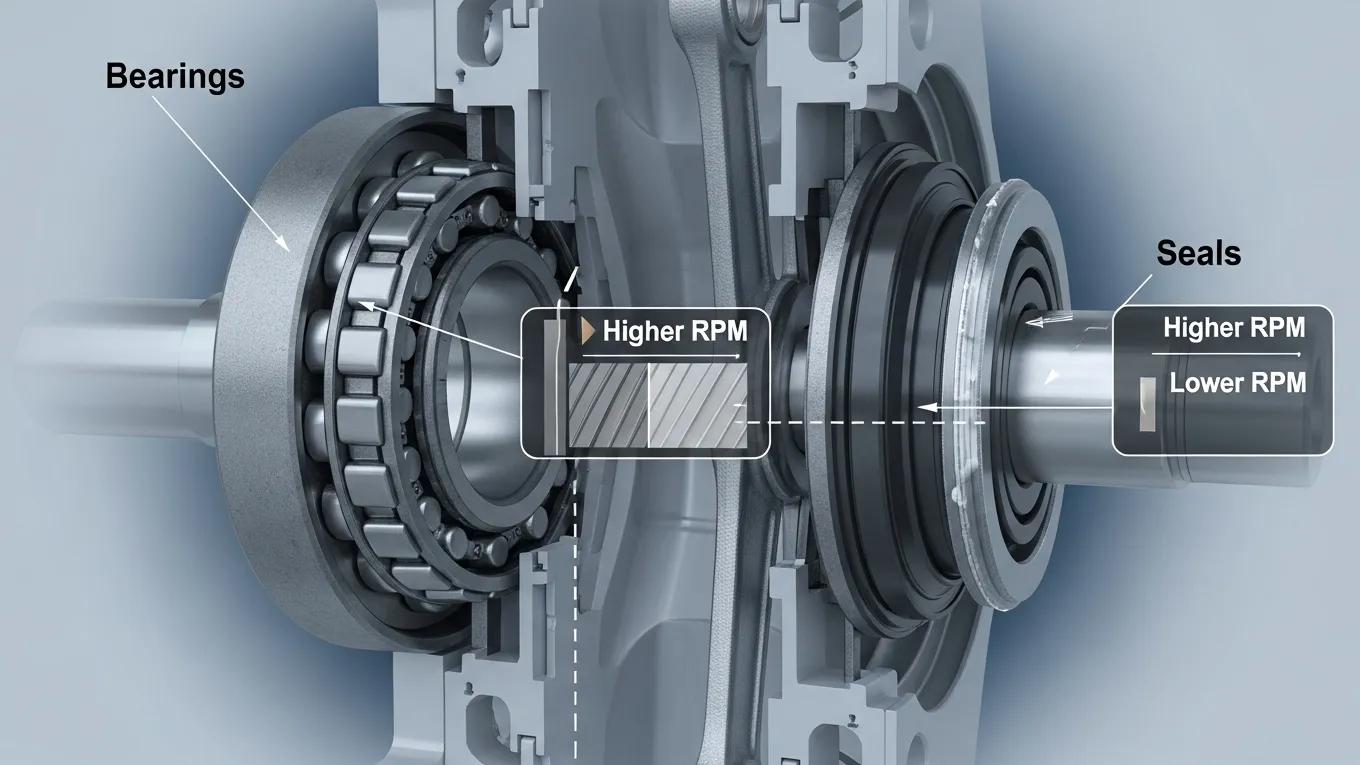
The RPM of a compressor significantly impacts component wear and potential failure modes. Higher RPMs can lead to increased friction and heat generation, which accelerates wear on critical components such as bearings and seals. This heightened wear can result in vibration issues, which further exacerbate the risk of failure. Conversely, operating at lower RPMs may reduce wear but can also lead to inefficiencies and inadequate performance. Therefore, finding the right balance in RPM is essential for maintaining the integrity of compressor systems and ensuring reliable operation.
Research further supports that managing compressor speed is critical for mitigating friction and wear, thereby enhancing efficiency and operational longevity.
Industry research also supports the relationship between compressor speed, friction, and component wear:
Compressor RPM: Impact on Friction, Wear, and Efficiency
Different outlet pressures and revolution speeds on test compressor indicated power increase with rising discharge pressure and revolution speed. The reduction compressor speed from 1500 RPM to 1000 RPM would decrease the effects of friction to almost twice. It’s important to use coatings like TiN or WC/C, which have good and very good, wear resistance properties in order to reduce friction and wear on rotary vane friction pair.
Vane friction and wear influence on rotary vane compressor efficiency and operation: research and analysis review, 2017
When comparing real-world systems—such as LW Americas and BAUER Compressors—RPM design differences can significantly impact maintenance requirements, component wear, and long-term system performance. For a detailed comparison, see our LW Americas vs Bauer compressors comparison.
What Are the Recommended Maintenance Intervals Based on Compressor RPM?
Maintenance intervals vary based on compressor design, operating conditions, and manufacturer recommendations. The following examples illustrate how maintenance frequency may differ based on RPM, but actual service intervals should always follow manufacturer guidelines.
- High RPM Compressors: Maintenance every 1,000 hours of operation or every three months, whichever comes first.
- Medium RPM Compressors: Maintenance every 2,000 hours or every six months.
- Low RPM Compressors: Maintenance every 3,000 hours or annually.
Environmental factors, such as operating conditions and load variations, should also be considered when determining maintenance schedules.
This table illustrates how maintenance intervals vary based on compressor RPM, emphasizing the need for tailored maintenance strategies. Note: These intervals are illustrative examples only and may vary significantly depending on compressor type, usage, and manufacturer specifications.
How Can Optimizing Compressor RPM Extend Equipment Lifespan?
Optimizing compressor RPM can significantly extend the lifespan of equipment by reducing maintenance frequency and minimizing component wear. By operating at the optimal RPM, operators can achieve a balance between performance and longevity. This optimization leads to several benefits:
- Reduced Maintenance Frequency: Lower wear rates result in less frequent maintenance, saving time and costs.
- Minimized Component Wear: Operating within the ideal RPM range decreases the stress on components, prolonging their life.
- Enhanced Efficiency: Optimized RPM improves energy efficiency, leading to lower operational costs.
Techniques for RPM Control to Reduce Wear and Failure
Controlling RPM effectively is essential for reducing wear and preventing failures in compressor systems. Techniques for RPM control include:
- Variable Frequency Drives (VFDs): These devices allow for precise control of motor speed, enabling operators to adjust RPM based on demand.
- Regular Monitoring: Implementing monitoring systems can help track RPM and identify deviations from optimal levels.
- Scheduled Maintenance: Regular maintenance ensures that components are in good condition, reducing the likelihood of failures related to RPM fluctuations.
By employing these techniques, operators can maintain optimal RPM levels, thereby enhancing the reliability and lifespan of their compressor systems.
Case Studies Demonstrating Lifespan Improvements Through RPM Management
Several case studies highlight the benefits of effective RPM management in extending equipment lifespan. For instance, a manufacturing facility that implemented VFDs on its high RPM compressors reported a reduction in maintenance costs and an increase in equipment lifespan. Another case study in the HVAC industry demonstrated that optimizing RPM led to a decrease in component failures, significantly improving operational efficiency.
These examples illustrate the tangible benefits of managing compressor RPM effectively, reinforcing the importance of this parameter in maintenance strategies and equipment longevity.
For a side-by-side evaluation of how these factors impact real-world compressor systems, see our LW Americas vs Bauer compressors comparison.