
Continuous-Duty High-Pressure Compressors
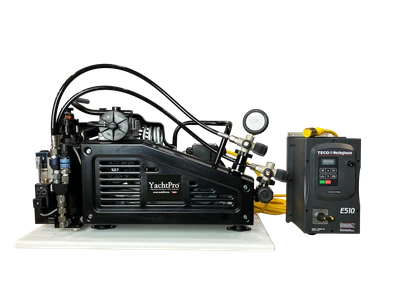
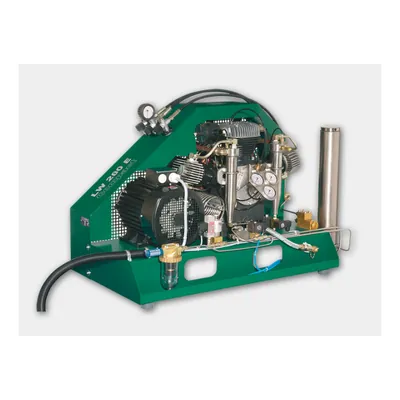
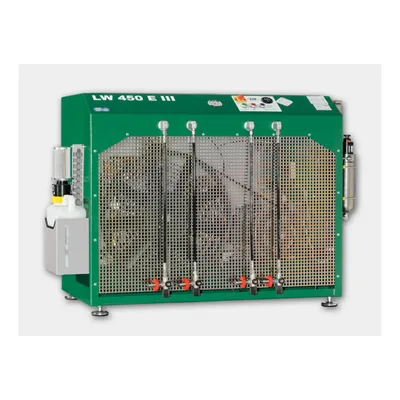
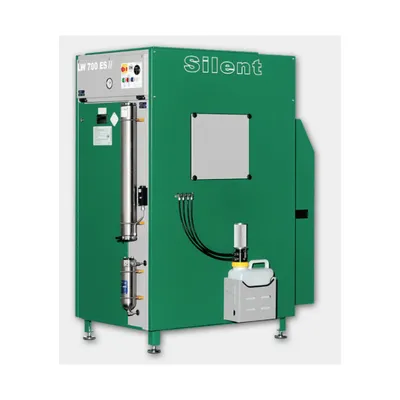
L&W is the only continuous-duty scuba tank fill compressor platform on the market, so you can keep filling while others must stop periodically to cool down.
- One-piece cast block: cylinders and crankcase cast as a single unit and machined in one process to eliminate leak paths and tighten tolerances
- Lower RPM, high output: reduced noise, vibration, and wear during continuous operation
- Responsive North American support: fast answers, parts, and service guidance when you need it
LW Americas News Archive & High-Pressure Compressor Updates

DIVING
Products for safe and reliable supply of breathing air.
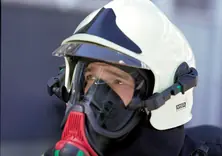
FIRE FIGHTING
Fire services around the world trust in our products.
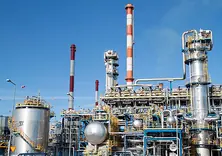
INDUSTRY
Compressor systems for industrial applications - reliable, high performance and efficient
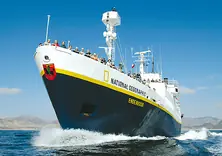
MARITIME/OFFSHORE
Whether it's SOLAS equipment or breathing air, we provide suitable solutions according to the requirements.
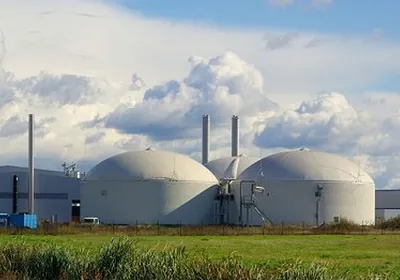
CNG & BIOGAS
The environmentally friendly fuel for vehicles.

MEDICAL
Reliable back up for hyperbaric chamber installations around the globe.
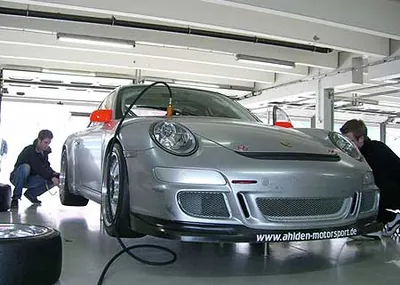
MOTOR SPORT
L&W can provide your team with HP solutions for your success in sport.
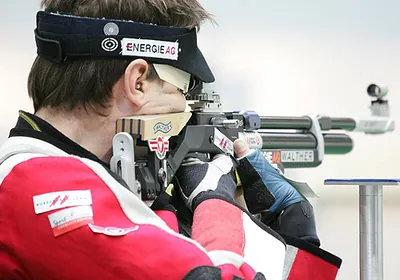
SPORTING GUNS / PAINTBALL
High pressure air for refilling air gun cartridges.
OUR PRODUCT LINE & SERVICES
FROM HELPING YOU SELECT THE RIGHT COMPRESSOR FOR YOUR INDUSTRY NEEDS, TO PROVIDING 2D & 3D DESIGN DRAWINGS, OUR PROFESSIONAL TEAM CAN MANAGE EVERY STEP OF YOUR PROJECT.
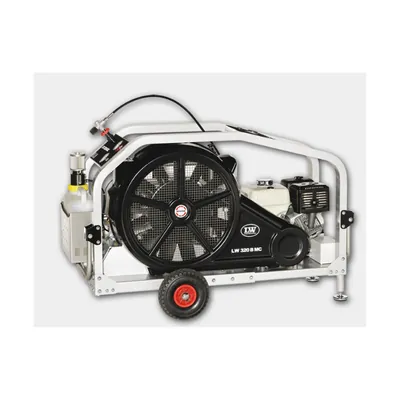


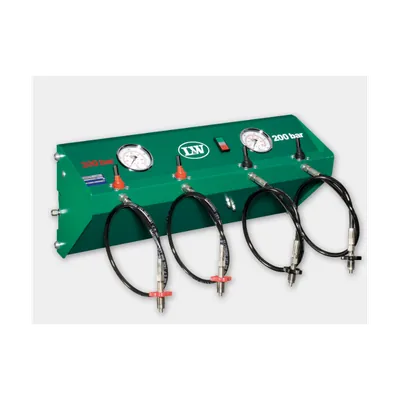
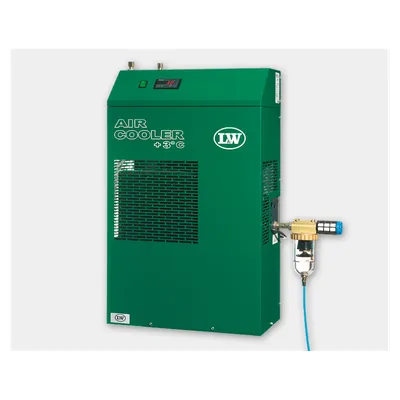
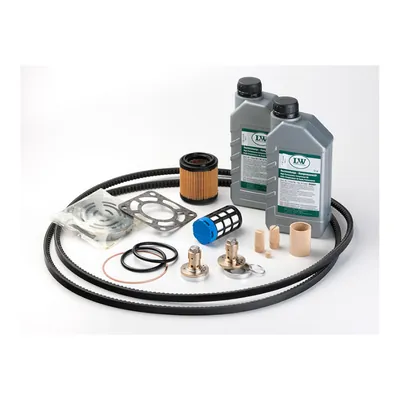
SOME OF OUR INSTALLATIONS
We Can Manage Your Entire Project
Don’t be shy. Drop us a line and let us know how we can make your dreams come true.
Hours of Operation
MON – FRI
8:30am – 5:00pm
SAT – SUN
Closed, but you can always send us your request.
SPECIAL PROJECTS
By Appointment