

By Robert Carmichael, LW Americas
Reducing the total cost of ownership (TCO) for breathing air compressor systems is essential for organizations seeking to optimize their operational efficiency and minimize expenses. This article will explore effective strategies that focus on energy efficiency, maintenance practices, and system reliability. By understanding these key areas, businesses can significantly lower their TCO while ensuring that their compressor systems operate at peak performance. The following sections will delve into specific methods for improving energy efficiency, optimizing maintenance practices, and ensuring system reliability, all of which contribute to a more cost-effective operation.
Improving Energy Efficiency

Enhancing energy efficiency in breathing air compressor systems is crucial for reducing operational costs. Energy-efficient technologies, such as Variable Speed Drive compressors and Heat Recovery Systems, can significantly lower energy consumption. By optimizing pressure settings and implementing heat recovery systems, organizations can achieve substantial savings on energy bills.
Research consistently demonstrates the substantial energy savings achievable through the implementation of variable speed drive technology in compressed air systems.
Variable Speed Drives for Energy Saving in Compressed Air Systems
energy saving in compressed air systems in different companies. A variable speed driven compressor needs a professional design from the first draft of the compressor.
The benefits of variable speed drive for air compressors, 2005
For instance, investing in energy-efficient technologies not only reduces energy costs but also minimizes the environmental impact of compressor operations. This dual benefit makes energy efficiency a top priority for businesses looking to improve their bottom line.
Technologies That Enhance Energy Performance
Several technologies can enhance the energy performance of breathing air compressors:
- Variable Speed Drive Compressors: These compressors adjust their speed based on demand, leading to significant energy savings.
- Heat Recovery Systems: By capturing waste heat from the compressor, these systems can be repurposed for heating water or space, further reducing energy costs.
- Smart Monitoring Systems: These systems provide real-time data on energy usage, allowing for better management and optimization of compressor operations.
Implementing these technologies can lead to a marked reduction in energy consumption, directly impacting the TCO of breathing air compressor systems.
Further research highlights the importance of advanced monitoring and diagnostic methods, particularly those integrated with variable speed drives, for optimizing compressor performance and ensuring air quality.
Monitoring & Diagnostics for Breathing Air Compressor Systems
methods for compressed-air systems powered by twin-screw compressors. The first introduced variable-speed-drive-based monitoring and diagnostic methods for pump, compressor, and fan systems. In addition, filters ensure that as few particles as possible end up in the air breathed by building occupants.
Variable-speed-drive-based monitoring and diagnostic methods for pump, compressor, and fan systems, S Pöyhönen, 2021
Optimizing Maintenance Practices
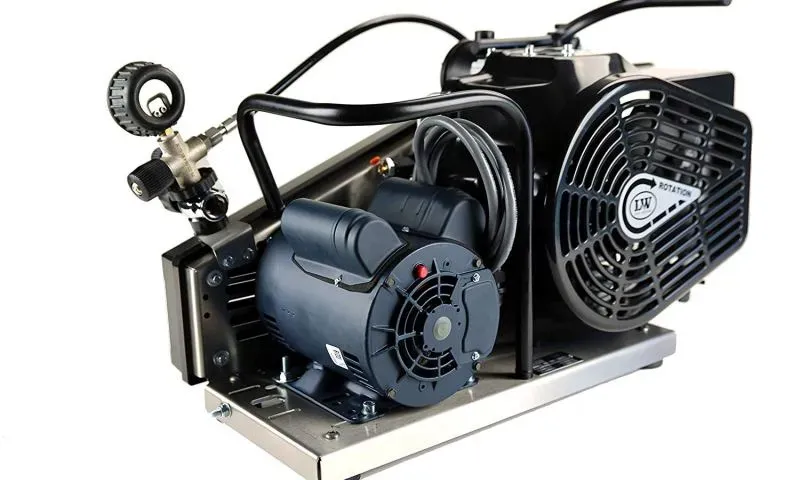
Regular maintenance is vital for ensuring the longevity and efficiency of breathing air compressor systems. Establishing a preventive maintenance schedule can help identify potential issues before they escalate into costly repairs. Additionally, adopting predictive maintenance strategies can further enhance reliability and reduce downtime.
Studies emphasize the effectiveness of predictive maintenance solutions in monitoring various components and predicting potential faults in air compressors.
Predictive Maintenance for Air Compressor Condition Monitoring
Predictive maintenance (PdM) solution for condition monitoring and fault prediction for the exhaust valve, bearings, water pump, and radiator of an air compressor.
An explainable deep learning-based predictive maintenance solution for air compressor condition monitoring, A Ciobotaru, 2025
Keeping detailed maintenance logs is essential for tracking the performance and service history of compressor systems. This practice not only aids in compliance with safety standards but also helps in planning future maintenance activities effectively.
Best Practices for Maintenance Cost Reduction
To optimize maintenance practices and reduce costs, consider the following best practices:
- Routine Inspections: Regular checks can identify wear and tear early, preventing more significant issues.
- Scheduled Maintenance: Adhering to a maintenance schedule ensures that all components are serviced regularly, reducing the likelihood of unexpected failures.
- Preventive Maintenance: Implementing preventive measures can extend the lifespan of compressor systems and reduce overall maintenance costs.
By focusing on these practices, organizations can enhance the reliability of their breathing air compressor systems while minimizing maintenance expenses.
Ensuring System Reliability
System reliability is a critical factor in reducing the total cost of ownership for breathing air compressors. A reliable system minimizes downtime and repair expenses, which can significantly impact operational efficiency. Designing compressors for efficiency and utilizing smart monitoring systems can enhance reliability.
Proper ventilation is also essential for maintaining optimal operating conditions, which contributes to the overall reliability of the system. By ensuring that compressors are well-ventilated and monitored, organizations can prevent overheating and other issues that may lead to system failures.
When comparing real-world systems—such as LW Americas and BAUER Compressors—differences in system design, efficiency, and maintenance strategy can significantly impact total cost of ownership. For a detailed comparison, see our LW Americas vs Bauer compressors comparison.
What Are the Key Factors Influencing Total Cost of Ownership for Breathing Air Compressors?
Several factors influence the total cost of ownership for breathing air compressors, including the initial purchase price, maintenance costs, and energy consumption. Understanding these factors can help organizations make informed decisions when selecting compressor systems.
How Do Energy Consumption and Efficiency Impact Operational Costs?
Energy consumption directly affects operational costs, as higher energy usage leads to increased utility bills. By investing in energy-efficient technologies, organizations can significantly reduce their energy consumption, thereby lowering operational costs.
What Role Does Maintenance Frequency Play in Lifecycle Cost Reduction?
Establishing a maintenance schedule is crucial for reducing lifecycle costs. Regular maintenance not only extends the lifespan of compressor systems but also minimizes the risk of unexpected failures, which can be costly.
How Can Energy Efficiency Be Optimized to Lower Compressor Operational Costs?
Optimizing energy efficiency involves investing in advanced technologies and implementing best practices for energy management. By focusing on energy-efficient solutions, organizations can achieve substantial cost savings.
Which Technologies Enhance Breathing Air Compressor Energy Performance?
Technologies such as Variable Speed Drive compressors and Heat Recovery Systems are instrumental in enhancing energy performance. These innovations allow for better energy management and reduced operational costs.
What Are Best Practices for Monitoring and Reducing Energy Use?
To effectively monitor and reduce energy use, organizations should adopt energy-efficient technologies, conduct regular maintenance, and optimize system design. These practices can lead to significant energy savings.
What Maintenance Best Practices Reduce Breathing Air Compressor Maintenance Costs?
Implementing routine inspections, scheduled maintenance, and preventive measures can significantly reduce maintenance costs. These practices ensure that compressor systems operate efficiently and reliably.
How Do Scheduled Service Intervals Minimize Downtime and Repair Expenses?
Scheduled service intervals help prevent unexpected failures by ensuring that all components are regularly checked and maintained. This proactive approach minimizes downtime and repair expenses.
Which Predictive Maintenance Techniques Improve Compressor Reliability?
Predictive maintenance techniques, such as data analytics and monitoring technologies, can enhance compressor reliability. By identifying potential issues before they escalate, organizations can reduce maintenance costs and improve system performance.
How Does Breathing Air Compressor Reliability Affect Lifecycle and Operational Costs?
Reliable compressor systems contribute to lower lifecycle and operational costs by minimizing downtime and repair expenses. Ensuring system reliability is essential for maintaining operational efficiency.
What Compliance Standards Influence System Longevity and Safety?
Compliance with industry standards is crucial for ensuring the longevity and safety of breathing air compressor systems. Adhering to these standards can help organizations avoid costly penalties and ensure safe operations.
How Do Robust System Designs Contribute to Lower Total Cost of Ownership?
Robust system designs that prioritize energy efficiency and reliability can significantly lower the total cost of ownership. By investing in high-quality systems, organizations can achieve long-term savings. For a side-by-side evaluation of how these factors impact real-world compressor systems, see our LW Americas vs Bauer compressors comparison.