
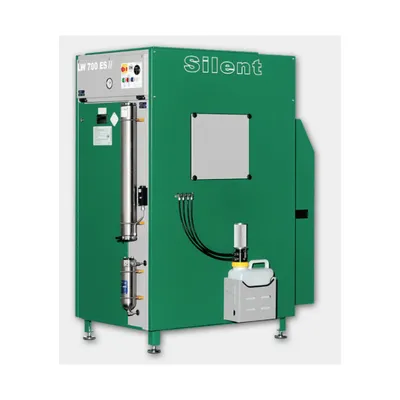
Why the LW 570ES Is the Scuba Tankfill Compressor of Choice for Professional Dive Centers
The LW 570ES is a high-pressure breathing air compressor engineered for continuous, high-volume scuba tankfill operations, prioritizing throughput, purity, and uptime. This article details how the LW 570ES delivers reliable capacity, ensures EN 12021 and CGA Grade E breathing-air quality, and supports profitable dive center operations. It addresses common pain points like downtime, noise, and maintenance through sound-insulated design, automatic condensate management, and service-friendly components. We will cover specifications, purification, operational efficiency, comparisons, and configurable options and support.
What Makes the LW 570ES the Ideal High-Capacity Dive Compressor?
The LW 570ES is an ideal high-capacity dive compressor, combining a 4-stage piston compression block with sound-insulated housing and robust condensate management for continuous fills. Its design emphasizes sustained duty cycles, predictable L/min output, and components sized for repetitive commercial use, reducing thermal stress and wear. This ensures operational reliability for dive centers needing stable breathing-air supply across multiple shifts.
This table summarizes key LW 570ES performance specifications for quick scanning and comparison.
This overview highlights how the LW 570ES balances throughput, pressure, and serviceability for continuous dive-center operation.
How Does the LW 570ES Deliver Superior Capacity and Pressure?
The LW 570ES achieves superior capacity and pressure through a multi-stage piston compression block, staging pressure rise across cylinders for improved thermal management and volumetric efficiency. This design allows higher final pressures with reduced stress, supporting a strong duty cycle for continuous fills. Consistent L/min output and predictable fills per hour are maintained through optimized displacement and cooling, crucial for dive centers requiring stable fill rates.
What Are the Key Features That Enhance LW 570ES Performance?
Key features enhancing LW 570ES performance and uptime include a heavy-duty compressor block and dedicated lubrication system for extended component life. Sound-insulated housing reduces noise, allowing closer installation. An automatic condensate drain and large tank minimize manual intervention and filter saturation. Service-accessible elements and standardized parts simplify maintenance, shortening service windows, and helping manage lifetime operating costs. These features make the LW 570ES ideal for high-volume operations.
Why Dive Centers Choose the LW 570ES Scuba Compressor
The LW 570ES ensures professional breathing-air purity through a staged filtration and adsorption train, removing oil aerosol, particulates, hydrocarbons, and moisture (through condensate separation and the drying component of the filter cartridge) to meet breathing-air standards. This modular purification chain allows technicians to easily replace cartridges and media at recommended intervals, maintaining CGA Grade E and EN 12021 compliance. Monitoring points track filter life, preventing performance degradation.
This purification mapping clarifies each stage’s contribution to air quality, aiding technicians in planning replacements for compliance.
What Breathing Air Standards Does the LW 570ES Comply With?
The LW 570ES complies with professional breathing-air specifications like EN 12021 and CGA Grade E, which set limits for CO, CO2, oil vapor, humidity, and particulates. Compliance requires a properly sized purification train and regular verification testing. The system’s design minimizes oil carryover, extending filter life. Ensuring purity combines robust hardware with a disciplined maintenance and testing regimen, crucial for dive centers.
How Does the LW 570ES Purify Air to Meet Professional Dive Center Requirements?
Air purification in the LW 570ES follows a stepwise flow: pre-filtration, compression, condensate separation, coalescing filtration, activated carbon adsorption, and a final particulate filter. Each stage targets specific contaminants: pre-filters and coalescers remove moisture and oil; carbon adsorbs hydrocarbons; final filters capture particulates. Service intervals depend on operational hours; high-volume centers should shorten cartridge changes and routinely test outlet air. Regular monitoring and preventive replacement ensure consistent breathing-air quality.
Why Is Operational Efficiency Critical for Commercial Dive Centers Using the LW 570ES?
Operational efficiency is critical for commercial dive centers, impacting scheduling, customer throughput, and margins. It defines how effectively inputs like electricity and staff time convert into filled cylinders, minimizing downtime and community impact. The LW 570ES enhances efficiency through automation (automatic condensate drains), serviceability (easy filter swaps), and sound insulation, directly improving revenue and customer satisfaction.
Operational benefits delivered by the LW 570ES include:
- Reduced Labor per Fill: Automation features minimize manual interventions during high-volume shifts.
- Lower Unplanned Downtime: Service-friendly access and robust components decrease out-of-service time.
- Improved Predictability: Stable throughput and consistent purification lower the risk of delayed customer operations.
These benefits translate into scheduling confidence and lower lifetime operating expenses.
How Does the LW 570ES Reduce Operational Costs and Downtime?
The LW 570ES reduces operational costs and downtime by automating routine tasks like condensate drainage and utilizing durable components that extend service intervals. Automated condensate management prevents rapid filter saturation, reducing consumable costs. Service access panels and standardized parts shorten technician turnaround, minimizing lost service hours. Dive centers should prioritize preventative maintenance aligned with peak seasons to avoid service disruptions.
What Maintenance Practices Optimize LW 570ES Longevity and Performance?
Optimal LW 570ES maintenance involves daily checks, scheduled cartridge replacements, and periodic inspections of lubrication, belt tension, and cooling systems. Daily routines include oil levels, condensate status, and outlet pressure. Recommended spare parts include filter cartridges, coalescing elements, belts, and seals for quick repairs. A maintenance calendar tied to runtime hours ensures consumables are replaced based on actual wear, preserving purity and reliability.
How Does the LW 570ES Compare to Other Professional Scuba Compressors?
The LW 570ES compares favorably to conventional compressors across noise footprint, condensate handling, and serviceability under continuous commercial loads. It features sound insulation for minimal site disruption, a larger condensate tank with automatic draining to protect filter life, and a heavy-duty block for longer service intervals. These design choices address common operational gaps in other offerings.
This comparison highlights how LW 570ES design choices provide measurable site advantages for busy dive operations.
What Advantages Does the LW 570ES Have Over Bauer and Other Leading Compressors?
The LW 570ES offers advantages over conventional compressors by combining mechanical robustness with practical features like comprehensive sound insulation and automatic condensate handling, reducing auxiliary costs. This design minimizes filter replacement frequency and noise mitigation expenses. Enhanced lubrication and cooling lower component stress for continuous use, extending overhaul intervals. These benefits collectively reduce hidden operational costs and administrative overhead in high-volume filling environments.
How Do LW 570ES Features Translate to Better Dive Center Operations?
LW 570ES features translate into more reliable fills, fewer emergency service calls, and improved capacity planning. Automatic drains reduce staff maintenance time, while sound insulation enhances the customer environment and community acceptance. Standardized spare parts shorten repair lead times, and predictable purification maintains compliance. These benefits make the LW 570ES ideal for centers prioritizing throughput, predictable costs, and a comfortable customer experience.
What Custom Solutions and Support Are Offered for the LW 570ES?
LW Americas offers comprehensive project-based engagement for LW 570ES systems, guiding dive centers from needs assessment through installation and commissioning. We tailor configurations to site-specific throughput, noise, and power constraints. Services include site surveys, 2D/3D design drawings for placement, manifold and integration with external Nitrox systems, and full installation logistics coordination.
LW Americas offers these core services and configuration options:
- Site assessment and layout design: 2D/3D drawings to optimize compressor placement and noise mitigation.
- Custom configuration: Manifold sizing, integration with external Nitrox systems, sound packages, and power options tailored to site needs.
- Project management and commissioning: End-to-end coordination from procurement to first-fill commissioning.
LW Americas’ project management approach ensures predictable deployment outcomes for LW 570ES systems.
How Can LW Americas Tailor LW 570ES Configurations for Specific Dive Center Needs?
LW Americas’ customization workflow follows a structured sequence: assessment, configuration, design, installation, and commissioning. During assessment, we evaluate fills-per-hour targets, electrical supply, and acoustic constraints to recommend specific LW 570ES options, including sound packages, manifold layouts, or integration with external Nitrox systems. Deliverables include 2D/3D drawings showing footprint and noise attenuation. Configurations range from compact single-unit installs to multi-manifold, high-throughput systems, ensuring alignment with operational goals and reducing installation surprises.
What Ongoing Support and Accessories Are Available for LW 570ES Users?
LW Americas provides ongoing support and accessories for LW 570ES users, simplifying operations with manifolds, pressure controllers, external Nitrox generation systems, spare parts kits, and service contracts. Accessories are selected to match the facility’s fill profile, such as manifolds for simultaneous fills or external Nitrox modules for mixed-gas. Service contracts offer scheduled preventive maintenance, prioritized spare-part supply, and technical support. LW Americas offers project-oriented consultations to align parts and service levels with each center’s operational cadence.
What Are Common Questions About Using the LW 570ES in Professional Dive Centers?
Dive centers frequently inquire about noise, power, installation footprint, and troubleshooting, which are key to integrating the LW 570ES. Understanding sound insulation, electrical options, and maintenance intervals helps avoid commissioning delays.
These answers highlight critical considerations like noise mitigation and electrical planning.
- Noise Concerns: The LW 570ES uses sound-insulated housing to lower ambient noise and reduce complaints.
- Power Options: Available configurations accommodate standard three-phase supplies; optimization with external VSD solutions may be considered where appropriate.
- Service Intervals: Scheduled filter and lubrication checks tied to runtime hours keep the system within recommended operating conditions.
How Does Sound Insulation Benefit Dive Centers Using the LW 570ES?
Sound insulation significantly reduces ambient noise, allowing LW 570ES compressors to be placed closer to customer areas or within existing facilities without costly acoustic retrofits. Reduced noise levels reduce complaints and improve comfort for staff and customers. Sound packages, combined with proper mounting and distance planning, achieve regulatory and comfort objectives more cost-effectively than remote housing or building modifications, preventing expensive relocation later.
What Power Requirements Are Needed for the LW 570ES Compressor?
LW 570ES power requirements typically match commercial three-phase supplies, depending on motor options. For energy optimization, integration with external VSD solutions may be considered, requiring consultation with a qualified electrician to confirm supply capacity and plan for such installations. Proper electrical planning during design prevents commissioning bottlenecks and ensures operation within manufacturer specifications. Coordinating power provisioning with LW Americas’ site assessment accelerates time-to-first-fill.
Ready to Optimize Your Dive Center Operations?
LW Americas offers expert consultation and custom LW 570ES configurations to meet your specific needs. Let us help you achieve unparalleled efficiency, purity, and reliability.